Sun 28 December 2025:
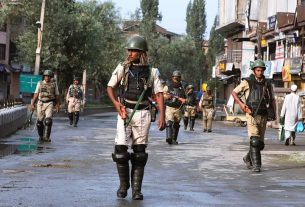
If 2025 revealed anything uncomfortable about India’s trajectory, it was not the arrival of something new, but the normalisation of what should never have become acceptable: Islamophobia, hate speech, violent collective punishment and institutional discrimination, says our correspondent in India.
For many Indian Muslims, the year did not feel like a sudden rupture. It felt like the continuation, and consolidation, of a pattern in which injustice no longer needed elaborate justification. It simply occurred, in full view, and increasingly without challenge.
What distinguished 2025 was not the scale of individual incidents, but their predictability. Public humiliation, profiling, selective punishment and collective blame became routine experiences rather than exceptional ones.
Each new episode of discrimination or violence seemed to provoke less outrage than the last. What once shocked the national conscience began to pass as administrative necessity or political strategy.
__________________________________________________________________________

https://whatsapp.com/channel/0029VaAtNxX8fewmiFmN7N22
__________________________________________________________________________
Perhaps no symbol captures this shift more starkly than the continued use of bulldozer demolitions. Originally framed by authorities as action against “illegal constructions”, demolitions were repeatedly carried out in the immediate aftermath of communal tensions or allegations of violence.
In practice, they overwhelmingly targeted Muslim neighbourhoods, homes and small businesses. Courts intervened in some cases, reiterating that due process cannot be replaced by spectacle, yet the message on the ground was already clear: punishment could be collective, swift and public, even before guilt was established.
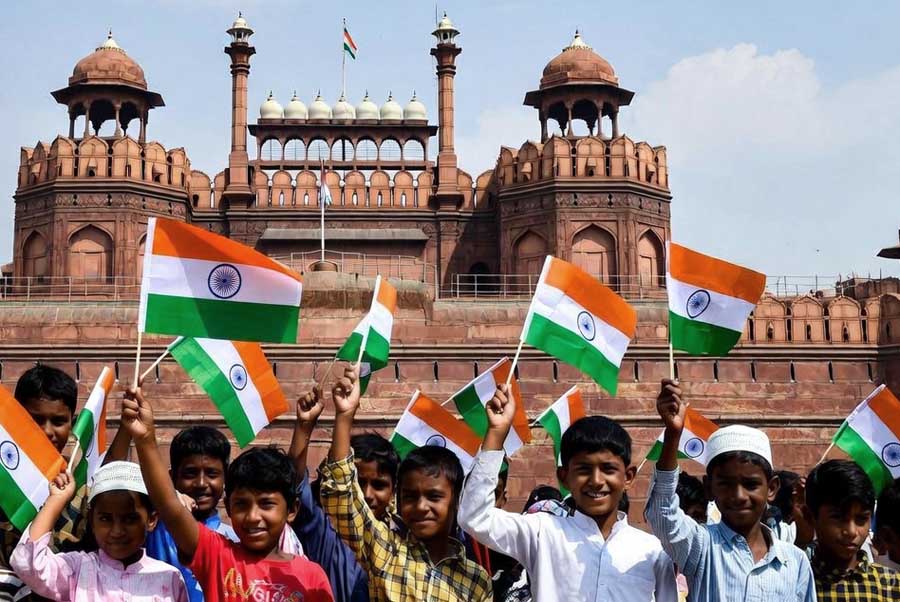
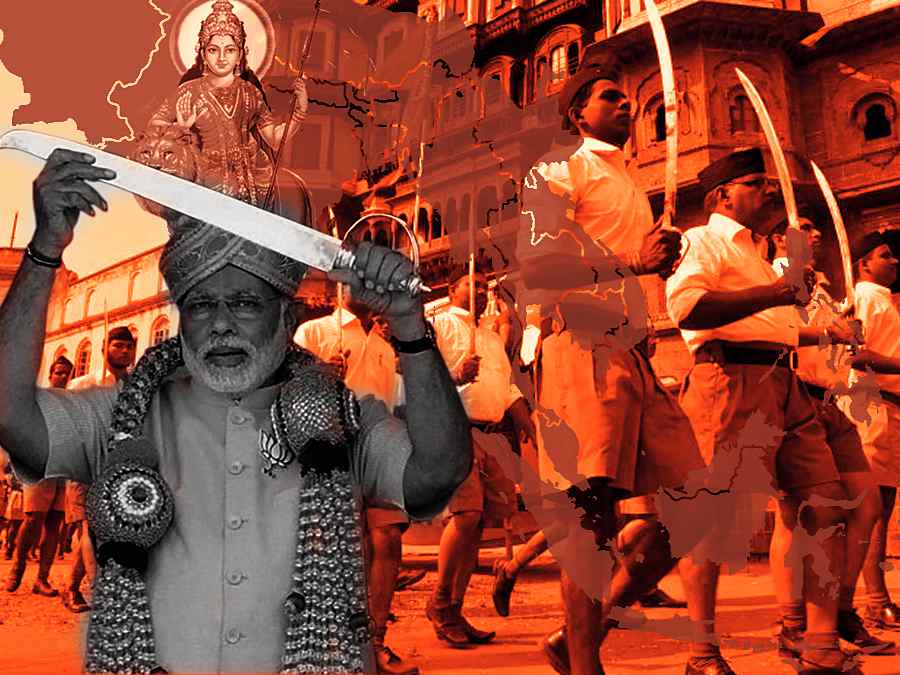
Alongside this physical erasure came a rhetorical one. Hate speech, once confined to the fringes, moved further into the mainstream in 2025. Elected representatives, religious figures and political campaigners used language that openly portrayed Muslims as threats, infiltrators or demographic dangers.
The rarity of consequences mattered as much as the speech itself. Silence from party leaderships, delayed responses from regulators and weak enforcement signalled that such rhetoric was no longer disqualifying. It was, increasingly, electorally useful.
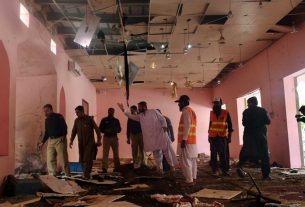
This climate inevitably fed into violence on the ground. Hate crimes, lynchings and mob attacks did not vanish; they persisted in forms both dramatic and mundane. While each case differed, the pattern of justice remained depressingly familiar. Investigations were slow, accountability uneven, and in many instances the burden of proof seemed heavier for victims than for perpetrators. The resulting sense of impunity deepened fear, not just of violence itself, but of the institutions meant to prevent it.
The role of sections of the media cannot be ignored. Large segments of television news continued to amplify Islamophobic narratives, framing Muslims primarily as suspects, outsiders or convenient villains. Complex governance failures, from unemployment to inflation, were frequently diverted into identity-based debates. Studio shouting matches replaced scrutiny, and communal polarisation delivered ratings. The cumulative effect was not merely misinformation, but the reshaping of public imagination.
Equally troubling was the institutional response. Police action, administrative decisions and investigative agencies often appeared hesitant, selective or silent when Muslims were affected. While this was not universal, the pattern was consistent enough to corrode trust. For a citizenry meant to be equal before the law, perceived bias can be as damaging as proven discrimination.
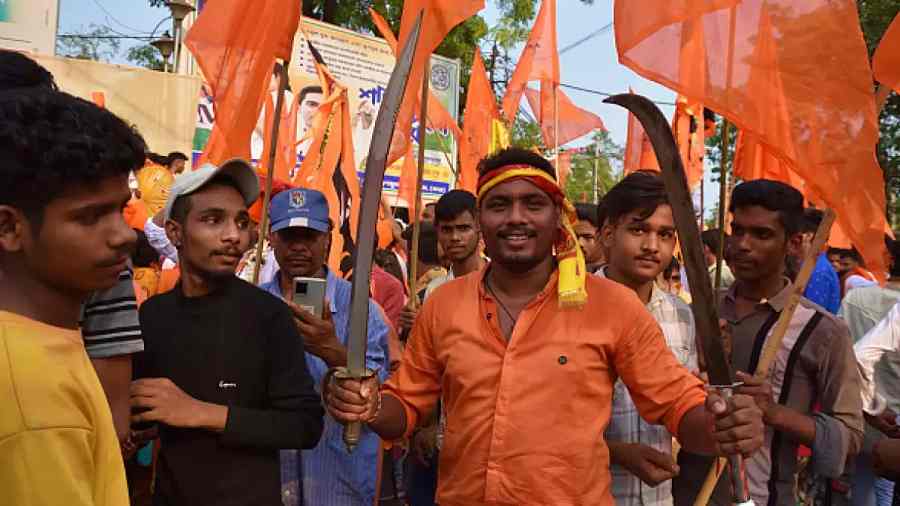
As elections loomed, the political utility of othering became harder to disguise. Muslims were repeatedly invoked as shorthand: blamed for social problems, provoked to consolidate majorities, or erased entirely from discussions about welfare and development. Substantive issues, jobs, public services, rising costs of living, were pushed aside in favour of polarising narratives that reduced citizenship to identity.
This year also saw the continued use of law, order and national security frameworks in ways that disproportionately affected Muslims. Surveillance, arrests and prolonged legal battles became part of everyday life for many families, creating a climate of constant scrutiny. Even when cases collapsed, the process itself functioned as punishment.
And yet, 2025 was not only a story of victimhood. It was also a year of resilience. Muslim communities, often with limited resources, continued to push back through the courts, grassroots relief efforts, independent journalism and quiet acts of solidarity. Speaking out came at personal cost, but silence was not universal, nor was despair.
In that sense, 2025 should be read not as closure, but as warning. The trajectory is no longer ambiguous. The question facing India is not whether these patterns exist, but how long democratic institutions can withstand their normalisation, and whether wider society chooses to intervene or to look away.
Indian Muslims did not lose hope in 2025. What changed was that uncertainty, fear and resistance became woven into everyday life. That reality, once accepted as routine, should concern anyone who believes that citizenship, dignity and justice are indivisible.

__________________________________________________________________________
FOLLOW INDEPENDENT PRESS:
WhatsApp CHANNEL
https://whatsapp.com/channel/0029VaAtNxX8fewmiFmN7N22

TWITTER (CLICK HERE)
https://twitter.com/IpIndependent

FACEBOOK (CLICK HERE)
https://web.facebook.com/ipindependent

YOUTUBE (CLICK HERE)
https://www.youtube.com/@ipindependent

Think your friends would be interested? Share this story!