Sun 04 January 2026:
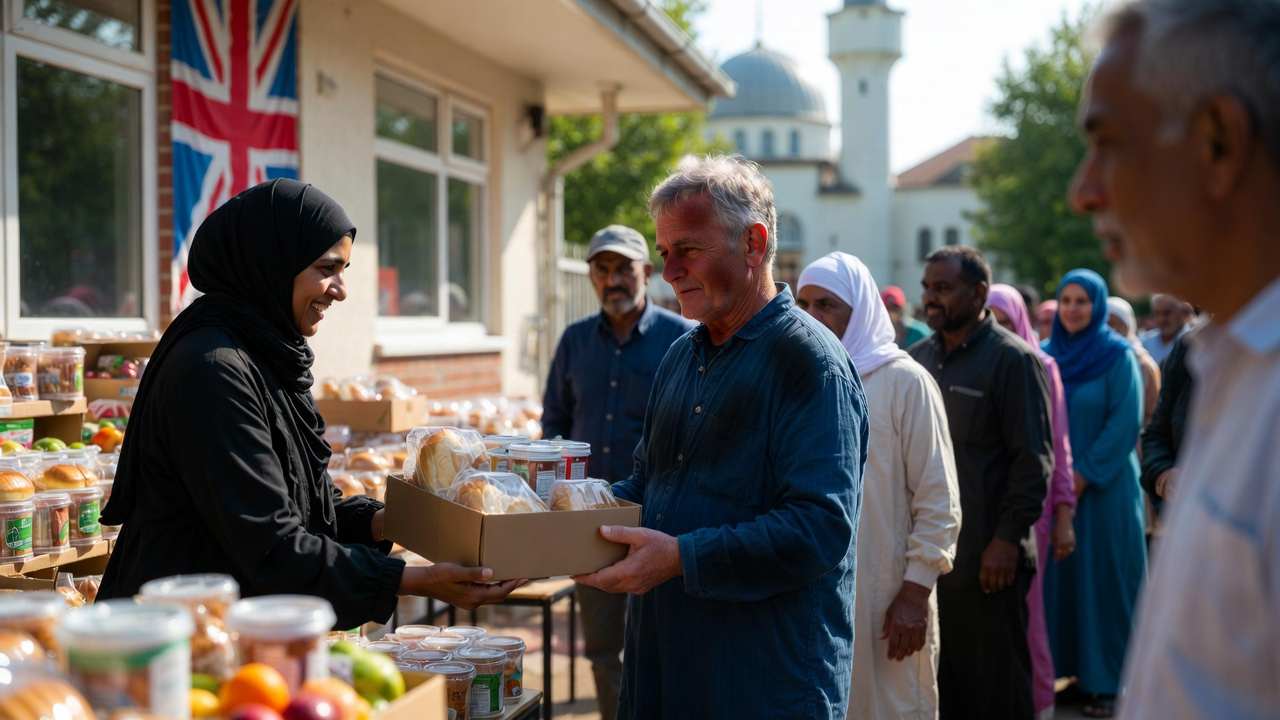
A new report has highlighted the generosity of British Muslims, who donate an estimated £2.2 billion annually to charitable causes, around four times more than the average UK adult.
Titled “Building Britain: British Muslims Giving Back,” the study by Equi examines the community’s role in international and domestic aid.
The report states that British Muslims are the UK’s most generous donors. While a large share of Muslim charitable giving supports international humanitarian causes, the report identifies significant untapped potential to expand support for UK-based initiatives.
This generosity is rooted in Islamic teachings, particularly Zakat, the compulsory donation of 2.5 percent of surplus wealth, and Sadaqa, voluntary giving. Zakat accounts for up to 40 percent of total funds raised by surveyed Muslim charities, with the remaining 60 percent coming from other forms of donation.
Authored by Taibah Al-Fagih and Dr. Mohammed Sinan Siyech, the Equi report draws on polling data, interviews with charity leaders, and sector analysis. It estimates that British Muslims donated approximately £2.2 billion in 2023–24, with half of donors planning to increase their giving in the following year.
High-earning Muslims, particularly those earning between £75,000 and £99,000, are reported to be ten times more generous than comparable earners in the general population.
__________________________________________________________________________

https://whatsapp.com/channel/0029VaAtNxX8fewmiFmN7N22
__________________________________________________________________________
Who do Muslims give to?
Historically, much of this giving has focused on international aid, reflecting ancestral ties and a sense of global Muslim solidarity. However, the report identifies a generational and cultural shift toward domestic causes.
Younger British Muslims, especially third and fourth-generation individuals, are increasingly supporting local issues such as homelessness, food insecurity and child poverty. The report notes that young professionals are responding to visible crises in their own communities.
Polling conducted by Savanta for Equi shows British Muslims exceeding the national average in donations to mental health and healthcare charities by about 10 percent.
International humanitarian aid, however, remains nearly double the national average. The report suggests this is partly due to limited awareness of domestic needs, noting that some donors are more familiar with supporting orphans abroad than vulnerable children within the UK.
The report highlights several organisations making a domestic impact. The National Zakat Foundation, founded in 2011, focuses exclusively on alleviating UK poverty. It has distributed more than £25 million to over 21,000 people, offering housing aid, hardship relief, and employment support.
In 2023, it allocated £7 million in Zakat donations, with 76 percent directed to hardship relief. Its housing fund helped prevent evictions and reportedly saved local authorities £28.8 million in 2023, equivalent to £73 in public savings for every £1 donated.
Other charities cited include Islamic Relief UK, which issued £5 million in grants to UK projects in 2024, and Al-Khair Foundation, which contributed £300,000 to Great Ormond Street Hospital and provided emergency aid during crises such as the Rochdale floods and the Grenfell Tower fire.
Challenges
Despite these contributions, the report outlines significant challenges. These include lack of government recognition, limited faith literacy, securitisation and stigmatisation, and financial barriers.
It notes that post-9/11 policies have often conflated Muslim-led charities with extremism. Debanking affects nearly half of Muslim charities, according to a 2024 Muslim Charities Forum survey, and funding criteria frequently exclude faith-based services.
To address these barriers, the report recommends greater government engagement with faith-based charities, match-funding schemes similar to UK Aid Match, expanded Gift Aid tax relief, protections against debanking, and clearer distinctions between religious promotion and faith-informed services.
It stresses the need for inclusive, faith-literate public policymaking.

This article is republished from 5Pillars. Read the original article.
__________________________________________________________________________
FOLLOW INDEPENDENT PRESS:
WhatsApp CHANNEL
https://whatsapp.com/channel/0029VaAtNxX8fewmiFmN7N22

TWITTER (CLICK HERE)
https://twitter.com/IpIndependent

FACEBOOK (CLICK HERE)
https://web.facebook.com/ipindependent

YOUTUBE (CLICK HERE)
https://www.youtube.com/@ipindependent

Think your friends would be interested? Share this story!