Thu 14 August 2025:
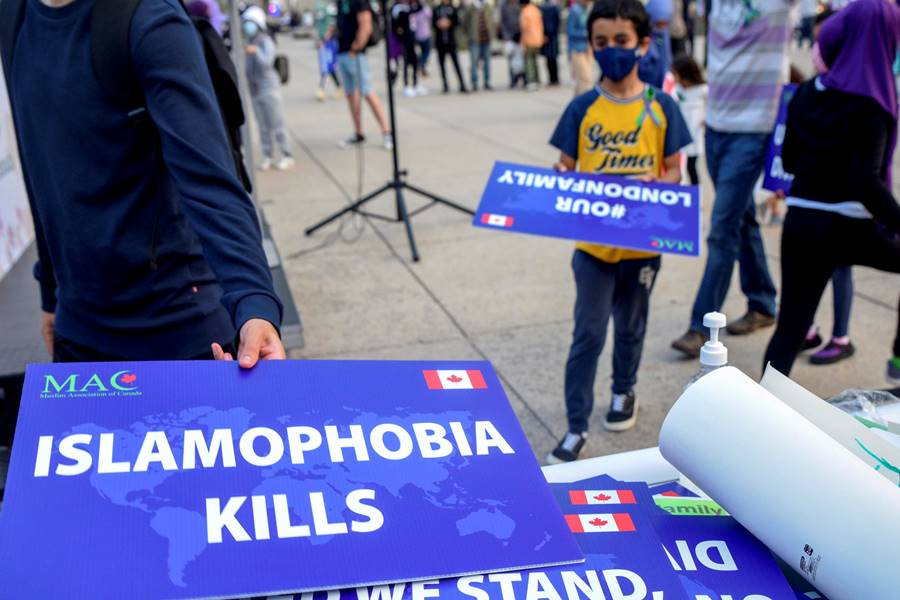
A new report from York University’s Islamophobia Research Hub has exposed a dramatic rise in hate incidents targeting Muslim, Palestinian and Arab communities across Canada since October 7, 2023.
Titled “Documenting the ‘Palestine Exception’”, the report, authored by Dr. Nadia Hasan, reveals a “sharp and dangerous” spike of up to 1,800% in Islamophobic and anti-Palestinian hate crimes in some regions, alongside systemic efforts to suppress advocacy for Palestinian rights.
Drawing on consultations with 16 Canadian organisations, public data, and media reports from October 2023 to November 2024, the report underscores the urgent need for policy reform to address this escalating crisis.
“The aftermath of October 2023 unleashed a wave of anti-Palestinian racism, Islamophobia, and anti-Arab racism that permeates many aspects of Canadian life,” Dr. Hasan said at a news conference in Ottawa.
The report introduces the concept of the “Palestine Exception,” defined as “a systemic pattern where discourse on Palestine is disproportionately scrutinised, restricted, or silenced compared to other human rights issues.”
It argues that this suppression often operates under the pretext of combating antisemitism, leveraging the International Holocaust Remembrance Alliance (IHRA) definition, which critics say conflates criticism of Israeli policies with anti-Jewish sentiment.
“The IHRA definition has been weaponised to silence voices advocating for Palestinian rights,” the report states, noting its adoption in Canadian institutions since 2019 has heightened scrutiny of Palestinian advocacy.
__________________________________________________________________________

https://whatsapp.com/channel/0029VaAtNxX8fewmiFmN7N22
__________________________________________________________________________
Case studies reveal systemic censorship
The report highlights several cases illustrating the “Palestine Exception.”
In 2023, Dr. Sarah Al-Najjar, a tenured professor, faced disciplinary action after organising a university panel on Palestinian liberation.
The event was canceled following complaints from advocacy groups alleging “antisemitic tropes,” leading to her temporary suspension.
“This case exemplifies how accusations of antisemitism are used to police academic discourse on Palestine,” the report notes.
In 2024, the Palestinian Solidarity Collective (PSC), a Toronto university student group, was banned from campus activities for distributing flyers criticising Israeli settler-colonialism.
The university cited “community safety concerns” – a justification the report argues is disproportionately applied to Palestinian advocacy.
Similarly, a 2023 CBC segment on Palestinian displacement in East Jerusalem was pulled after backlash from pro-Israel groups, underscoring how “mainstream media often capitulate to external pressures, limiting nuanced reporting on Palestine.”
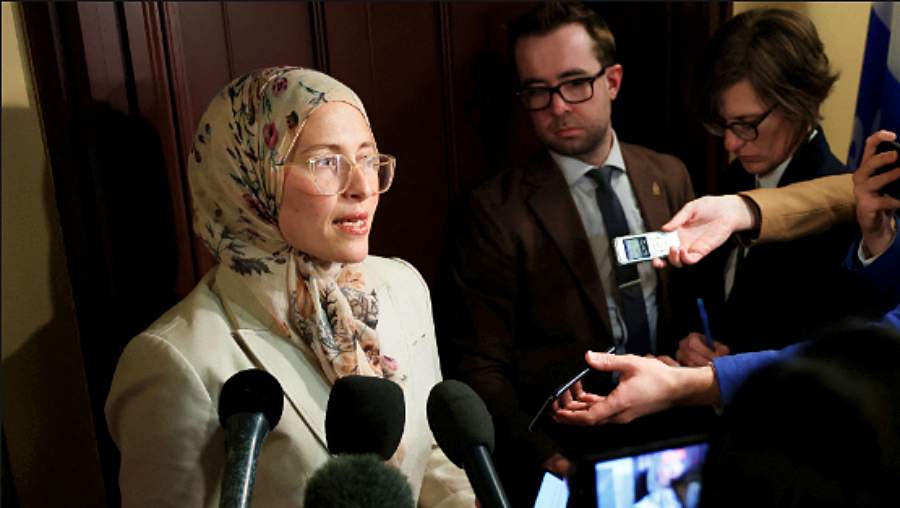
Amira Elghawaby
A climate of fear and resurgent stereotypes
The report situates the “Palestine Exception” within a broader resurgence of Islamophobia, amplified by far-right narratives.
Amira Elghawaby, Canada’s Special Representative on Combating Islamophobia, warned: “We see censorship and silencing of Canadians defending Palestinian human rights, with real consequences for their livelihoods and futures.”
She added: “Old tropes from post-9/11 are back, amplified by the far right, dehumanising Palestinian, Muslim, and Arab Canadians.”
Physical and online hate has also surged. The Institute for Strategic Dialogue recorded a 422% increase in anti-Muslim hate speech on X between October 7 and 29, 2023.
Incidents include a Muslim woman in Oshawa, Ontario, having her hijab forcibly removed in a 2024 attack and another assaulted at a pro-Palestine protest in Ottawa.
Many victims self-censor to avoid further repercussions. “The fear of being labeled antisemitic or losing one’s livelihood creates a culture of silence,” said Dr. Yasmin Jiwani, a co-author.
Amira Elghawaby
Urgent calls for reform
The report proposes 15 recommendations, including adopting a formal definition of anti-Palestinian racism, enhancing accountability for hate-motivated crimes, and conducting independent investigations into institutional responses, particularly in schools and universities.
It urges universities to protect academic freedom and media outlets to adopt transparent editorial standards.
“Institutions must foster spaces where Palestinian perspectives can be heard without fear of reprisal,” the report emphasises.
The findings have sparked varied responses. The Canadian Palestinian Association hailed the report as “a vital step toward dismantling systemic biases,” while the Centre for Israel and Jewish Affairs criticized it for downplaying antisemitism in activist spaces.
The report’s authors counter that their work seeks to protect both Jewish and Palestinian communities by fostering open dialogue.
This article is republished from 5Pillars. Read the original article.

__________________________________________________________________________
FOLLOW INDEPENDENT PRESS:
WhatsApp CHANNEL
https://whatsapp.com/channel/0029VaAtNxX8fewmiFmN7N22

TWITTER (CLICK HERE)
https://twitter.com/IpIndependent

FACEBOOK (CLICK HERE)
https://web.facebook.com/ipindependent

YOUTUBE (CLICK HERE)
https://www.youtube.com/@ipindependent

Think your friends would be interested? Share this story!
__________________________________________________________________________
FOLLOW INDEPENDENT PRESS:
WhatsApp CHANNEL
https://whatsapp.com/channel/0029VaAtNxX8fewmiFmN7N22
TWITTER (CLICK HERE)
https://twitter.com/IpIndependent
FACEBOOK (CLICK HERE)
https://web.facebook.com/ipindependent
YOUTUBE (CLICK HERE)
https://www.youtube.com/@ipindependent
Think your friends would be interested? Share this story!