Wed 16 July 2025:
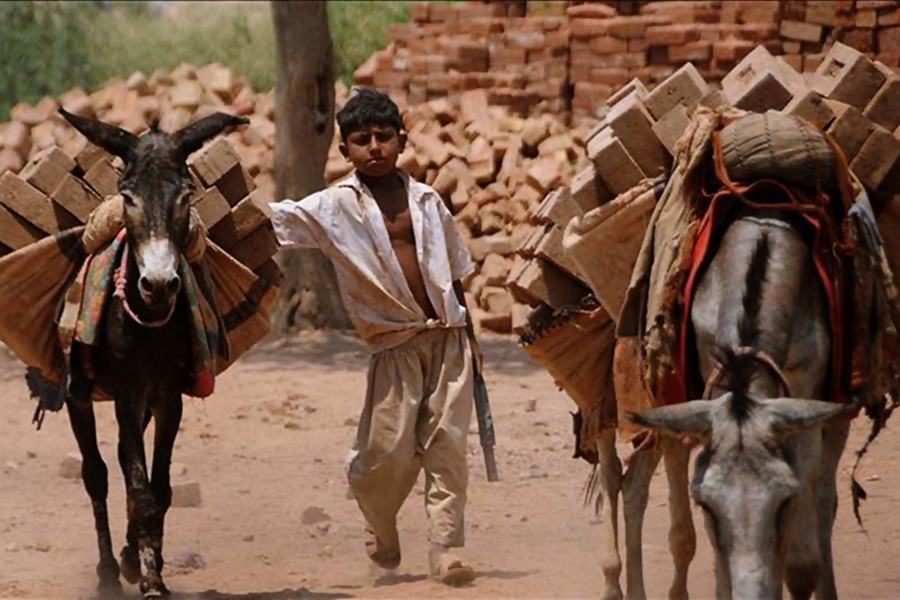
The number of children engaged in child labor has fallen by more than 100 million since 2000, the International Labor Organization (ILO) said Wednesday, citing new UN data.
Despite this progress, the global goal of eliminating child labor by 2025 remains “out of reach,” the ILO said on X.
“Decent work for all is more urgent than ever amid global economic uncertainties,” it added.
According to the latest Sustainable Development Goals Report 2025, released Monday, around 138 million children were involved in child labor in 2024, including 54 million in hazardous work that threatens their health and development.
This marks a decline of over 20 million since 2020 and more than 100 million since 2000 – even as the global child population has increased by 230 million.
The report noted that while the world has returned to a trajectory of progress following setbacks caused by the COVID-19 pandemic, efforts still fall short.
“To achieve the target within the next five years, the current rate of progress would need to accelerate elevenfold,” it said.
__________________________________________________________________________

https://whatsapp.com/channel/0029VaAtNxX8fewmiFmN7N22
__________________________________________________________________________
Child labor persists globally due to a mix of economic, social, and systemic factors. Poverty is the biggest driver—families in low-income regions often rely on children’s income for survival, pushing kids into work instead of school.
In 2020, the International Labour Organization estimated 160 million children were engaged in child labor, with 79 million in hazardous work. Developing nations, particularly in Sub-Saharan Africa and South Asia, account for the majority, as weak economies and lack of social safety nets force children into agriculture, mining, or factories.Cultural norms also play a role.
In some societies, child work is seen as a rite of passage or a way to learn skills, perpetuating the cycle. Lack of education access—due to cost, distance, or poor infrastructure—leaves children with few alternatives. Weak legal enforcement and corruption in many countries allow employers to exploit children, often in dangerous conditions, for cheap labor.
Global demand for low-cost goods fuels this issue, as industries like textiles and electronics rely on supply chains that sometimes involve child labor. Conflict and migration exacerbate it, as displaced families face desperate circumstances. Addressing child labor requires tackling poverty, improving education, enforcing laws, and shifting consumer behavior—a complex, long-term challenge.
SOURCE: INDEPENDENT PRESS AND NEWS AGENCIES
__________________________________________________________________________
FOLLOW INDEPENDENT PRESS:
WhatsApp CHANNEL
https://whatsapp.com/channel/0029VaAtNxX8fewmiFmN7N22

TWITTER (CLICK HERE)
https://twitter.com/IpIndependent

FACEBOOK (CLICK HERE)
https://web.facebook.com/ipindependent

YOUTUBE (CLICK HERE)
https://www.youtube.com/@ipindependent

Think your friends would be interested? Share this story!