Fri 10 April 2026:
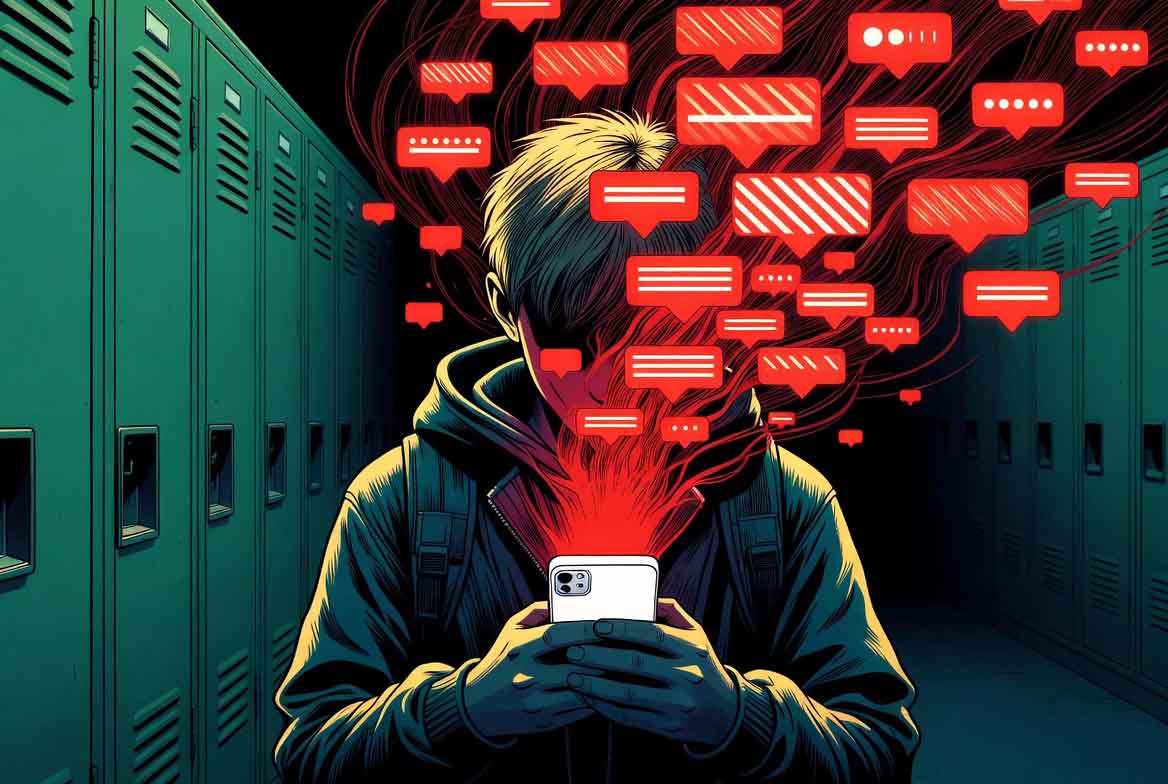
We’ve all done it. You scroll past a 30-second video claiming a simple home remedy cures anxiety, or a “citizen expert” on social media declares that a new government policy is a conspiracy. It feels right. It matches what you already suspected. You like it, share it, and suddenly it’s in your friends’ feeds too. Welcome to confirmation bias—the invisible force turning everyday content into misinformation super-spreaders.
Confirmation bias is the human tendency to seek out, interpret, and remember information that confirms our existing beliefs while ignoring or downplaying anything that contradicts them. First identified by psychologist Peter Wason in the 1960s, it’s not new. What is new is how powerfully it thrives in today’s digital ecosystem of short videos, reels, and influencer opinions.
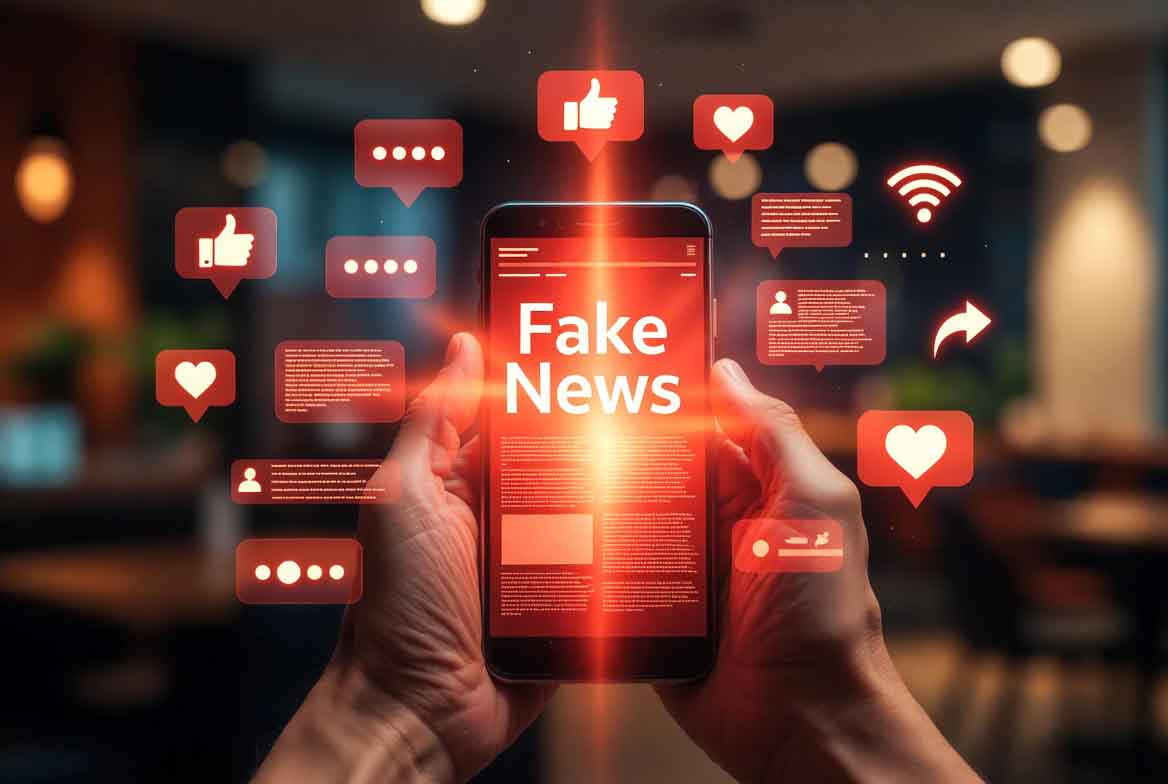
Platforms like TikTok, YouTube Shorts, Instagram, and X are engineered to feed us more of what we already like. Algorithms notice you paused on a video questioning vaccine safety or praising a particular diet, and they serve you dozens more just like it. Each clip is professionally edited, emotionally charged, and delivered by someone who looks credible—often an attractive non-expert with good lighting and confident delivery. No lab coat, no peer-reviewed study, just strong opinions and a call to “do your own research.”
__________________________________________________________________________

https://whatsapp.com/channel/0029VaAtNxX8fewmiFmN7N22
__________________________________________________________________________
The problem is that these videos rarely present balanced evidence. They cherry-pick data, use dramatic music, and rely on anecdotes rather than statistics. A non-expert sharing “my truth” about climate change, economics, or health feels authentic because it matches our worldview. Confirmation bias does the rest: we don’t fact-check the source, we don’t seek opposing studies, and we certainly don’t watch the 12-minute explainer from an actual scientist that debunks the claim.
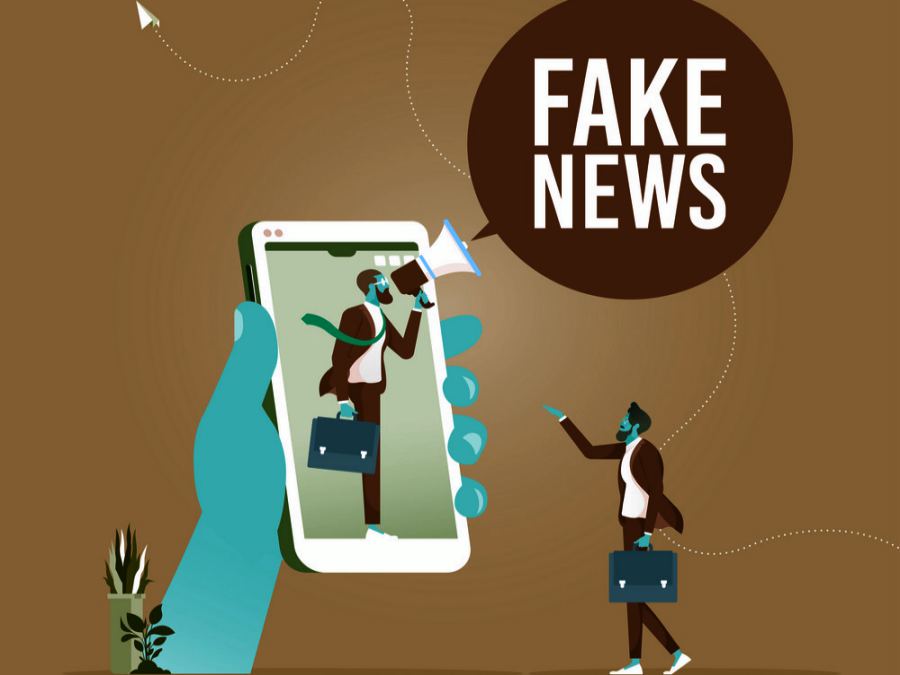
This cycle is dangerously efficient. Misinformation spreads faster in visual formats because our brains process images and video more quickly and emotionally than text. A 2023 study by the Reuters Institute found that false or misleading videos travel six times faster on social media than factual corrections. When non-experts dominate the conversation—fitness influencers giving medical advice, political commentators without credentials, or conspiracy theorists posing as journalists—the line between opinion and fact dissolves.
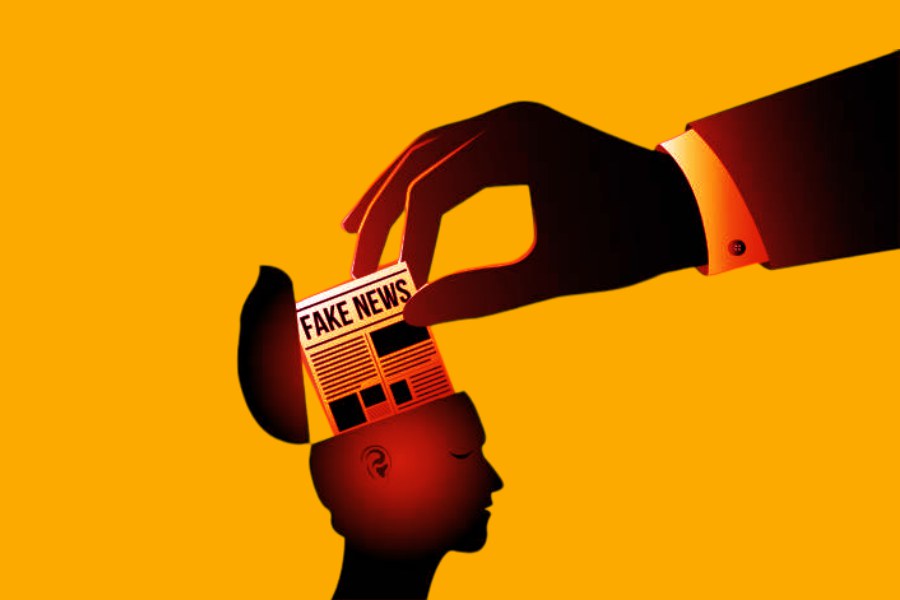
Consider real-world examples. During public health crises, countless videos from self-proclaimed “wellness coaches” claimed unproven treatments were being suppressed by governments. Many viewers already distrusted institutions, so the content confirmed their fears. They shared it widely, influencing friends and family who trusted them more than distant experts. The same pattern appears in politics: a partisan reel about election fraud or economic collapse gets millions of views because it validates one side’s narrative, regardless of evidence. Non-experts thrive here because they speak in plain language, skip jargon, and tap directly into emotional triggers.
The consequences go beyond annoyance. Confirmation bias plus viral misinformation erodes trust in science, medicine, and democracy. People delay medical treatment based on a TikTok, invest in scams promoted by smooth-talking YouTubers, or vote based on cherry-picked “exposés” from unverified accounts. Societies become more polarized as each group lives in its own information bubble, convinced the other side is either stupid or malicious.
So how do we break the cycle?
Awareness is the first step. Recognize that confirmation bias is hardwired—we all have it. Next, deliberately diversify your information diet. Follow experts from across the spectrum, not just the ones who agree with you. When a compelling video appears, pause and ask three questions:
Who is the source?
What credentials do they have?
Where is the supporting evidence from peer-reviewed studies or reputable institutions?
Use fact-checking tools like Snopes, FactCheck.org, or your country’s independent media before sharing. Slow down. Short-form content is designed to trigger emotion before reason—give yourself the 60 seconds it takes to verify. Teach these habits to friends and family, especially younger people who consume most of their news via video.
Confirmation bias isn’t going away, but its power over us shrinks when we refuse to let algorithms and non-experts do our thinking for us. In an era where anyone with a smartphone can broadcast as an “expert,” protecting ourselves means choosing evidence over comfort, facts over feelings, and critical thinking over the dopamine hit of a perfectly edited reel.
The next time you watch a video that perfectly confirms what you already believe, remember: that warm feeling of validation might be the exact moment misinformation is winning. Stay curious. Stay skeptical. And always verify before you amplify.
SOURCE: INDEPENDENT PRESS AND NEWS AGENCIES
__________________________________________________________________________
FOLLOW INDEPENDENT PRESS:
WhatsApp CHANNEL
https://whatsapp.com/channel/0029VaAtNxX8fewmiFmN7N22

TWITTER (CLICK HERE)
https://twitter.com/IpIndependent

FACEBOOK (CLICK HERE)
https://web.facebook.com/ipindependent

YOUTUBE (CLICK HERE)
https://www.youtube.com/@ipindependent

Think your friends would be interested? Share this story!