Mon 04 August 2025:
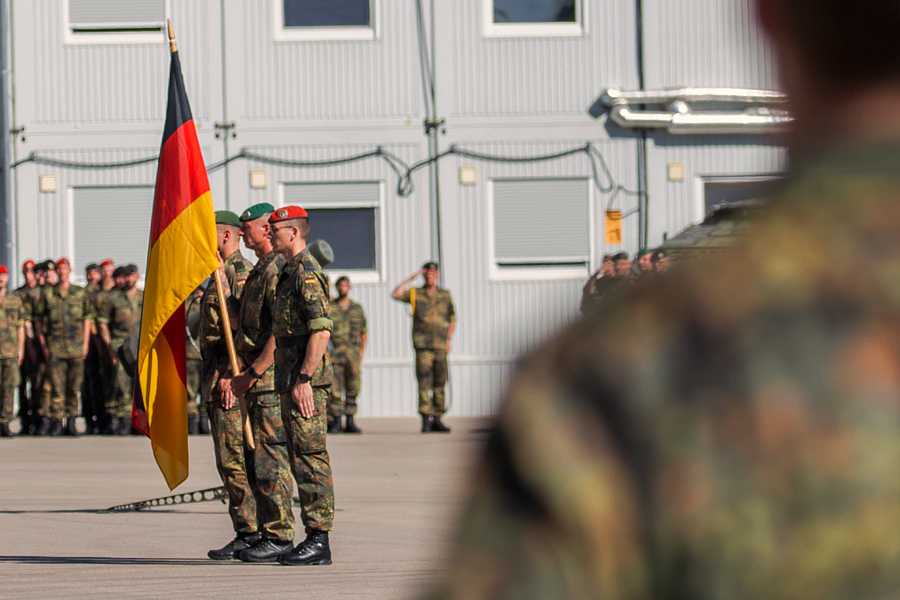
Only 16% of Germans would “definitely” be willing to defend their country with weapons in case of a military attack, according to a new poll released Monday.
The Forsa Institute survey revealed widespread reluctance among Germans toward military engagement, despite repeated warnings from political and military leaders that the country should prepare for a potential armed conflict.
A clear majority—59%—indicated they would “probably not” or “definitely not” be prepared to defend Germany militarily if attacked. Among women, this reluctance was even higher at 72%.
Only 16% of respondents said they would “definitely” take up arms to defend Germany, while an additional 22% indicated they would “probably” do so, bringing the total of those potentially willing to fight to 38%.
The representative poll, commissioned by the media group RedaktionsNetzwerk Deutschland, surveyed approximately 1,000 German citizens between July 28 and 29.
Germany has increased its military spending following the outbreak of the Russia-Ukraine conflict in 2022, and the country’s intelligence agencies and armed forces have repeatedly warned that Russia could be in a position to attack a NATO country in the next five years.
__________________________________________________________________________

https://whatsapp.com/channel/0029VaAtNxX8fewmiFmN7N22
__________________________________________________________________________
Unwillingness
European citizens’ unwillingness to fight for their countries in case of war stems from several interconnected factors. First, decades of peace since World War II have reduced the sense of immediate threat, fostering a culture of comfort and stability, particularly in Western Europe.
Many Europeans associate war with distant conflicts, not personal obligation. Second, trust in institutions is low—polls, like a 2023 Eurobarometer, show declining confidence in governments and militaries, making citizens hesitant to sacrifice for entities they view skeptically.
Third, individualism has risen, with younger generations prioritizing personal goals over collective duties, unlike past eras of strong national identity.
Fourth, the shift to professional, volunteer-based armies has diminished the expectation of mandatory conscription, which many see as outdated. For example, countries like Germany and France ended conscription in 2011 and 1997, respectively.
Fifth, economic concerns dominate—people fear disruption to their livelihoods more than hypothetical invasions. Finally, the horrors of 20th-century wars, still vivid in cultural memory, make many wary of militarism.
However, this varies: Eastern European nations, like Poland or the Baltics, show higher willingness due to proximity to geopolitical threats like Russia. Overall, it’s a mix of peace, distrust, individualism, and historical baggage.
SOURCE: INDEPENDENT PRESS AND NEWS AGENCIES
__________________________________________________________________________
FOLLOW INDEPENDENT PRESS:
WhatsApp CHANNEL
https://whatsapp.com/channel/0029VaAtNxX8fewmiFmN7N22

TWITTER (CLICK HERE)
https://twitter.com/IpIndependent

FACEBOOK (CLICK HERE)
https://web.facebook.com/ipindependent

YOUTUBE (CLICK HERE)
https://www.youtube.com/@ipindependent

Think your friends would be interested? Share this story!