Thu 31 July 2025:
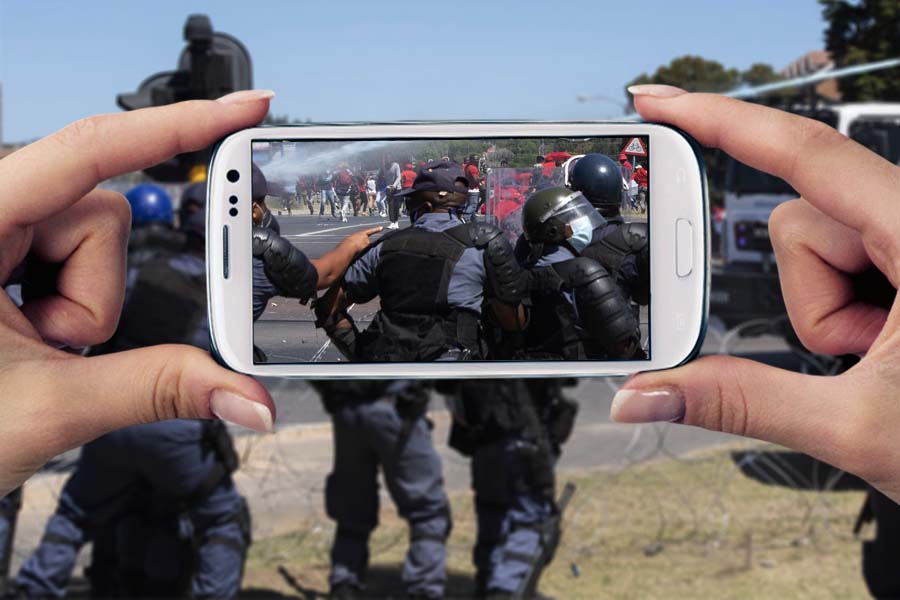
A landmark judgment solidifies the public’s right to record law enforcement officers.
A recent High Court ruling in Johannesburg has affirmed that members of the public are legally permitted to film and question police officers, a decision that significantly clarifies the rights of citizens during interactions with law enforcement. This judgment ensures that the act of filming police is not, in itself, an offence.
The ruling stems from a case where an attorney, identified as Mr Jacobs, was wrongfully arrested for recording a roadblock near his home. The court found his arrest to be unlawful and subsequently awarded him R250 000 in damages. This case highlights the judiciary’s stance on protecting citizen oversight and promoting police accountability.
__________________________________________________________________________

https://whatsapp.com/channel/0029VaAtNxX8fewmiFmN7N22
__________________________________________________________________________
Understanding your rights
The Regulation of Interception of Communications and Provision of Communication-Related Information Act (RICA) explicitly allows any person who is a party to a conversation or incident to record it. This can be done through video or voice recording without needing the officer’s consent.
The High Court judge in the Jacobs case emphasised that asking questions or demanding explanations from officers does not constitute interference with their duties. However, citizens should be aware that police have been known to misuse charges like “obstructing justice” against individuals who record them. Despite this, the act of filming police remains a constitutionally protected right aimed at preventing potential abuses of power.
While police can search a person or vehicle if they have “reasonable suspicion” that a crime has been committed, as stipulated by the Criminal Procedures Act (CPA) and Road Traffic Act (RTA), citizens have the right to ask what that suspicion is. Should an individual believe a search was conducted illegally, they can challenge its legality after the fact.
This legal clarity empowers South Africans to hold law enforcement accountable, reinforcing that the act of filming police is a legitimate tool for transparency.


__________________________________________________________________________
FOLLOW INDEPENDENT PRESS:
WhatsApp CHANNEL
https://whatsapp.com/channel/0029VaAtNxX8fewmiFmN7N22

TWITTER (CLICK HERE)
https://twitter.com/IpIndependent

FACEBOOK (CLICK HERE)
https://web.facebook.com/ipindependent

YOUTUBE (CLICK HERE)
https://www.youtube.com/@ipindependent

Think your friends would be interested? Share this story!