Sun 09 November 2025:
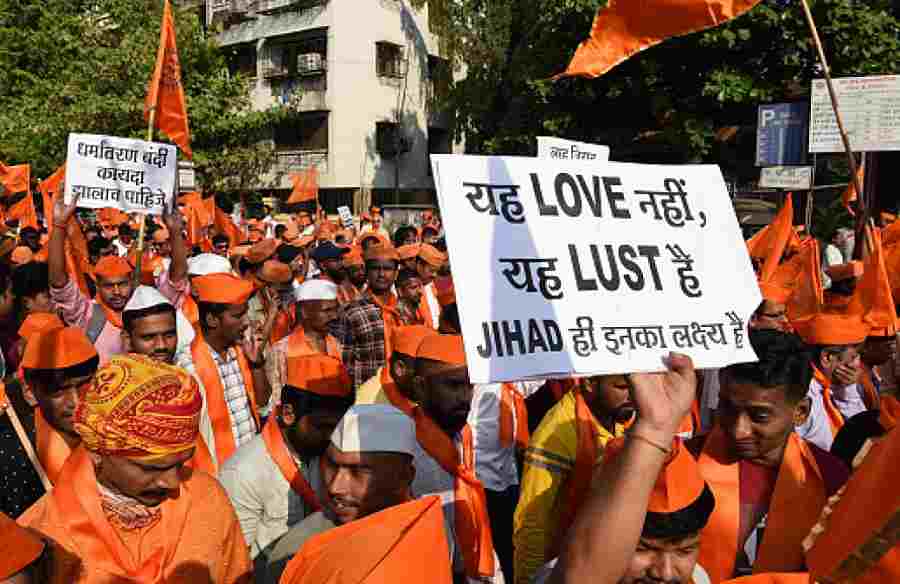
The government of Assam, led by Hindu nationalist Chief Minister Himanta Biswa Sarma, has announced plans to introduce a new law to prevent Hindus converting to Islam through marriage.
The proposed legislation, described by the Bharatiya Janata Party (BJP) government as an “anti-Love Jihad” measure, would impose life imprisonment on men accused of converting women to Islam through marriage. It would also allow police to arrest their parents.
Announced on October 22, the bill forms part of a package of new laws covering polygamy and land rights for tea-tribe communities.
But it is the so-called “Love Jihad” provision that has sparked strong reactions from opposition parties, academics and rights groups.
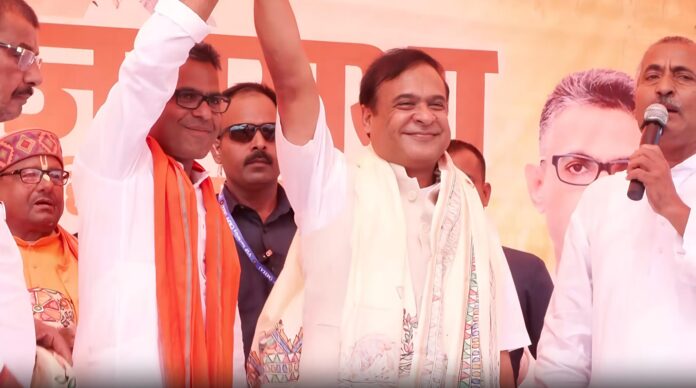
Chief Minister of Assam province in India and Hindu nationalist, Himanta Biswa Sarma, the minister who announced the new Islamophobic law on restricting inter-faith marriages. Via X / @himantabiswa
What is Love Jihad’?
“Love Jihad” is a Hindu nationalist conspiracy theory claiming that Muslim men are luring Hindu women into marriage to convert them to Islam and change India’s religious demographics.
The term has no legal or factual basis. Multiple government and police investigations have found no evidence of any organised campaign of conversions through marriage.
Despite this, several BJP-ruled states, including Uttar Pradesh and Madhya Pradesh, have passed laws restricting interfaith marriages, often under the banner of preventing “forced conversions.”
The announcement comes as Assam prepares for state elections in 2026.
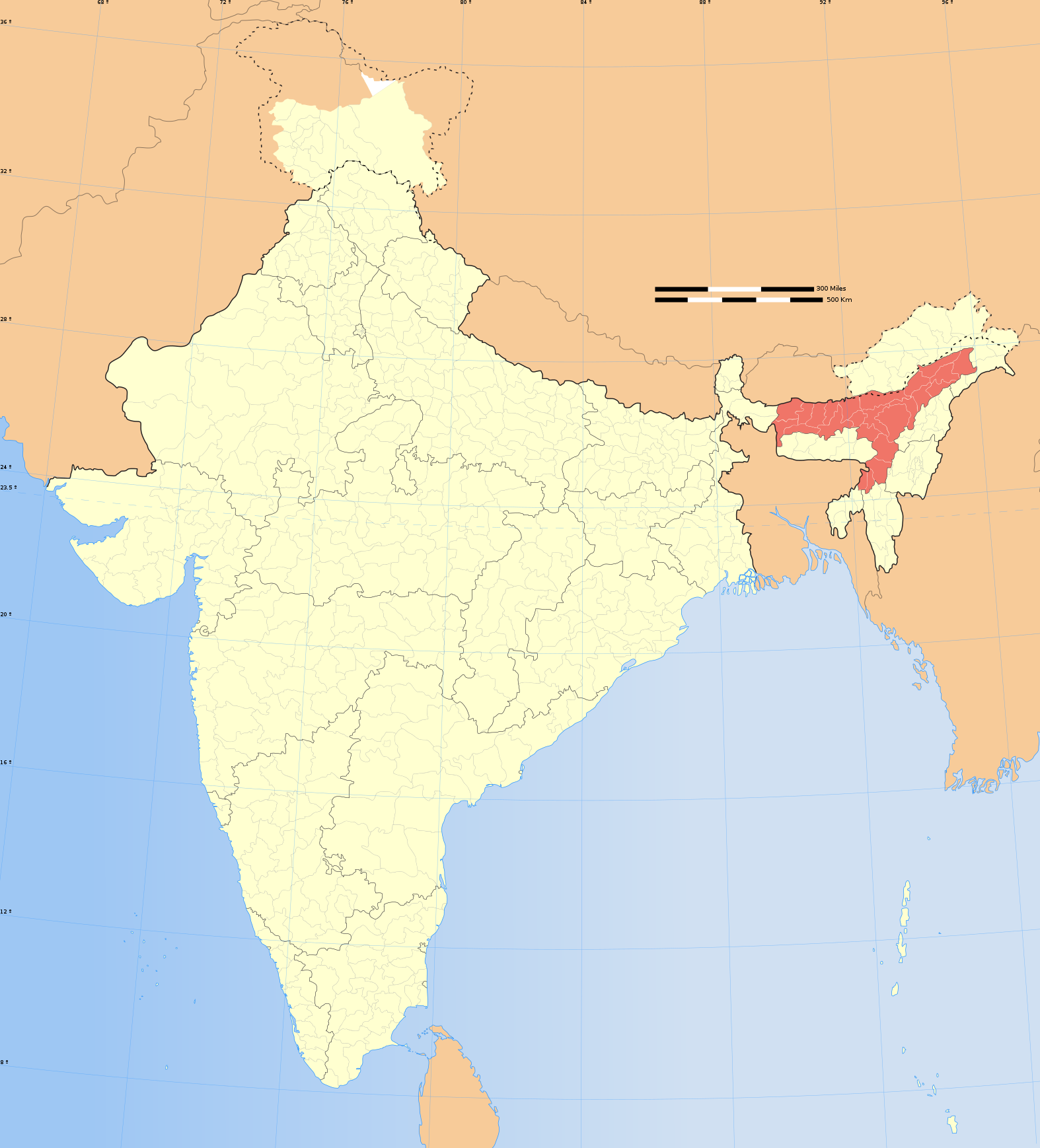
The Assam state in India, bordering Bangladesh
Analysts believe the proposal is part of a broader political strategy to consolidate Hindu votes by stoking fears about Muslims, who make up around 34 percent of the state’s population.
“These measures create fear and scapegoat a community while ignoring real issues like floods, poverty, and unemployment,” said Prof Nadira Khatun, a communication specialist at XIM University, Odisha.
“They divert public attention from the government’s failures on governance and disaster management.”
Assam faces severe flooding every year, displacing millions. Yet, critics say the state government continues to focus on divisive religious issues instead of addressing urgent socio-economic challenges.
__________________________________________________________________________

https://whatsapp.com/channel/0029VaAtNxX8fewmiFmN7N22
__________________________________________________________________________
Islamophobic legislation
Chief Minister Sarma has called the proposal “historic” and a “shield for social harmony.” He argues that the law will prevent “deception in the name of love” and protect women from being forced into conversion.
Opposition leaders, however, say the bill is unnecessary and dangerous. Aman Wadud, spokesperson for the Congress Party, called it a “false Hindutva narrative.”
“One community is being targeted,” Wadud said. “Individual cases of forced conversion can already be addressed under existing laws. This new bill is both unnecessary and divisive.”
He also noted that Assam’s proposed penalties go far beyond those in other states. “Uttar Pradesh’s 2020 ordinance allows up to ten years in prison. Assam’s proposal seeks life imprisonment and even punishment for parents. It’s extreme,” he said.
Rights advocates say the proposed law could worsen Assam’s already fragile social fabric. The state has a long history of ethnic and religious tensions, and Muslims have often been portrayed by the BJP as a demographic threat.
“This is not about protecting women,” said Prof Ameer Ali, who teaches political science at Jawaharlal Nehru University. “It’s about portraying young Muslim men as dangerous and turning interfaith relationships into crimes. The narrative of ‘Love Jihad’ is a political myth used to divide society.”

Hundreds of homes belonging to Bengali-origin Muslims in Assam have been demolished.
Ali said such laws reflect “the moral decline of politics in India,” where fear and suspicion are used to gain votes. “It shows how deeply Islamophobic ideas have entered mainstream discourse,” he added.
Experts also warn that the law could lead to police abuse and harassment of Muslim youth, especially in rural areas. “By criminalising relationships between communities, the state legitimises vigilantism,” said Khatun. “It turns personal lives into matters of state control and surveillance.”
Across India, official data shows no increase in interfaith marriages between Muslim men and Hindu women. The National Crime Records Bureau does not record any cases categorised as “Love Jihad.” In most states, police investigations have found the majority of interfaith marriages to be consensual.
Despite this, BJP leaders have continued to raise alarm over alleged conversion plots. Assam’s chief minister has repeatedly described the state’s Muslim population as a “threat to civilisation,” language that critics say fuels hostility and fear.
Pattern of anti-Muslim policies
Analysts see the proposed law as part of a broader trend of anti-Muslim measures in BJP-ruled states, including bans on beef, restrictions on hijab in educational institutions, and property demolitions targeting Muslim homes.
“These policies cultivate fear and exclusion,” said Khatun. “They portray Muslims as outsiders and treat women’s bodies as symbols of national honour. It’s psychological violence disguised as protection.”
Human rights organisations have urged the Assam government to withdraw the proposal, warning that it violates India’s constitutional guarantee of religious freedom and equality before the law.
Opposition parties and civil society groups are demanding that the government release the draft bill for public scrutiny. They argue that laws based on unproven claims risk further dividing communities in a state already burdened by identity-based politics.
“This isn’t about love or conversion,” said Ali. “It’s about power, about defining who belongs and who doesn’t. The BJP is using fear to shape the political narrative.”
Critics warn that if passed, the law would mark another step in India’s growing project of Hindu majoritarianism, where Muslims are increasingly treated as outsiders in their own country.
This article is republished from 5Pillars. Read the original article.

__________________________________________________________________________
FOLLOW INDEPENDENT PRESS:
WhatsApp CHANNEL
https://whatsapp.com/channel/0029VaAtNxX8fewmiFmN7N22

TWITTER (CLICK HERE)
https://twitter.com/IpIndependent

FACEBOOK (CLICK HERE)
https://web.facebook.com/ipindependent

YOUTUBE (CLICK HERE)
https://www.youtube.com/@ipindependent

Think your friends would be interested? Share this story!