Sat 13 December 2025:
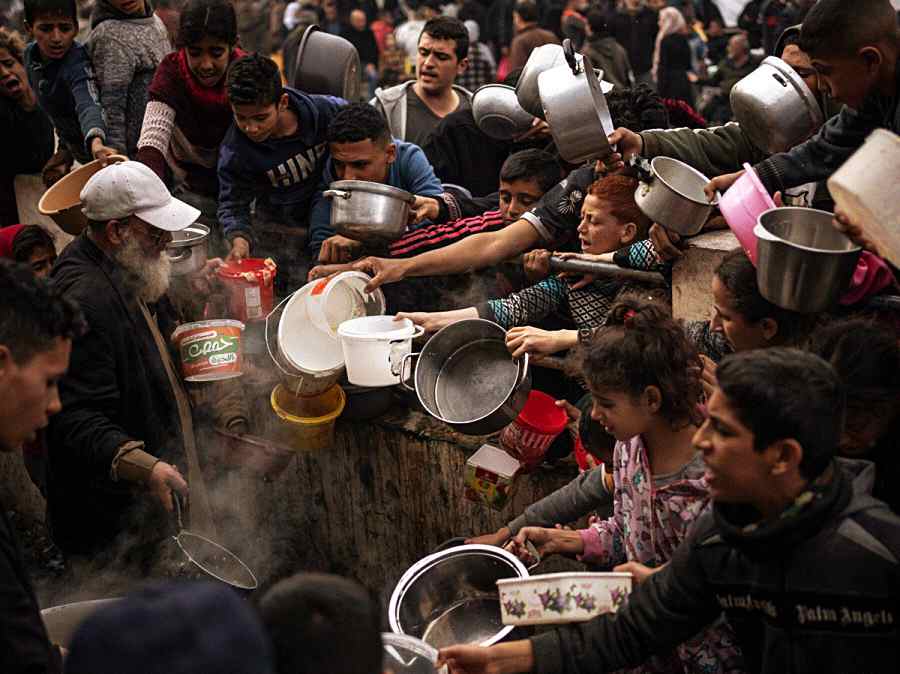
A shocking new investigation by Mada Masr, an independent Egyptian media outlet known for its in-depth reporting and anti-corruption work, has revealed that a network of Egyptian and Palestinian businessmen exploited the genocide in Gaza, profiting from famine, siege, and aid restrictions while ordinary Palestinians starved.
The report titled “Kings of Famine” exposes a highly organised system of profiteering — driven by companies with close ties to both the Israeli military and the Egyptian state — that controlled the import of commercial goods and humanitarian aid into the besieged Gaza Strip while Israel committed genocide.
Key individuals named by the report include Ibrahim al‑Argany, a powerful Egyptian businessman and tribal leader from the Sinai Peninsula. Argany reportedly heads the Sons of Sinai Group, a conglomerate with deep ties to Egypt’s military and intelligence services. His company managed the storage, transportation, and coordination of goods entering Gaza through the Rafah crossing, Egypt’s primary land route into the Strip.
__________________________________________________________________________

https://whatsapp.com/channel/0029VaAtNxX8fewmiFmN7N22
__________________________________________________________________________
Partnering with Argany were five Palestinian trading companies, all approved by Israel to coordinate commercial imports. These companies, including Saqqa and Khoudary, Emad Eddin Nijm, Ezzo Akl, Gaza Oil Company (Three Brothers), and Ibrahim al‑Taweel, collected massive fees from local sellers, despite being largely unqualified to manage essential food or medical imports.
Another key figure mentioned is Amr Hadhoud, an Egyptian logistics operator who runs Aqsa for Transport, Security and Guarding Services, a company that provides armed escorts for goods inside Gaza. Hadhoud is closely associated with Argany and his business empire, and his company evolved into a central player in distributing aid and goods, often under the guise of humanitarian work.
Under this scheme, known locally as “goods coordination,” Palestinian sellers in Gaza were required to use Israeli-approved middlemen to bring in commercial goods, often paying $10,000 to $25,000 in coordination fees per truck. These middlemen, in turn, worked with Sons of Sinai, which charged additional fees of $7,000 to $13,000 per truck, plus storage. Delays, and “priority access” costs raised the price tag to $60,000 or more.
Meanwhile, Hadhoud’s Aqsa company took over the job of providing security inside Gaza, charging up to $30,000 per truck to ensure delivery to traders.
When Israel restricted commercial goods but allowed “aid,” the network adapted. Sellers coordinated with employees in international aid organisations, who allegedly forged documents to disguise private shipments as humanitarian relief. This allowed commercial goods like chocolate, chewing gum, and apples to enter Gaza as “aid”, while actual life-saving food and medicine remained scarce.
The inflated costs were passed down to ordinary Palestinians in Gaza. The World Food Programme reported that prices of basic goods rose over 1,000%, turning basic necessities into luxury items and forcing families into starvation.
According to data from the Gaza Governorate Chamber of Commerce, profits from coordinating goods during the genocide reached staggering levels. Between late 2024 and early 2025:
Sons of Sinai is said to have earned approximately $177 million. Palestinian and Israeli-side coordination companies earned about $155 million.
Sons of Sinai also secured nearly $50 million in contracts from UN agencies, according to official procurement data, to manage logistics, despite complaints from aid organisations about the company’s inflated pricing and poor accountability.
Ordinary Palestinians bore the brunt of this corrupt system. In one case, coordinating a single truck of frozen chicken cost up to $200,000, and the meat sold at local markets for $40 per kilo, generating up to $1 million per shipment. None of the profits reaced the starving population.
Even humanitarian efforts were hijacked. Camps for displaced people, built with Egyptian state support, were eventually handed over to Aqsa Group, which used them as platforms to distribute goods and consolidate its reputation, even as aid was being repackaged and sold for profit.
The Mada Masr investigation concludes that Gaza’s starvation was not merely a consequence of war, that it was also a business model, enabled by Israeli siege, Egyptian complicity, and the greed of connected elites on both sides of the border.
-MEMO
__________________________________________________________________________
FOLLOW INDEPENDENT PRESS:
WhatsApp CHANNEL
https://whatsapp.com/channel/0029VaAtNxX8fewmiFmN7N22

TWITTER (CLICK HERE)
https://twitter.com/IpIndependent

FACEBOOK (CLICK HERE)
https://web.facebook.com/ipindependent

YOUTUBE (CLICK HERE)
https://www.youtube.com/@ipindependent

Think your friends would be interested? Share this story!