Thu 09 April 2026:
The war in the Middle East is driving major disruptions in global energy markets and risks worsening food insecurity, particularly in low-income, import-dependent countries, the International Monetary Fund (IMF), the World Bank Group (WBG), and the World Food Program (WFP) warned Wednesday.
In a joint statement, the institutions said the conflict is “upending lives and livelihoods in the region and beyond” and has already triggered one of the largest disruptions to global energy markets in modern history.
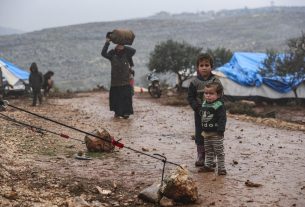
They said sharp increases in oil, gas, and fertilizer prices, along with transport bottlenecks, would inevitably lead to higher food prices and rising food insecurity.
The statement warned that the heaviest burden would fall on the world’s most vulnerable populations, especially in economies that rely heavily on imports and have limited fiscal room to respond.
__________________________________________________________________________

https://whatsapp.com/channel/0029VaAtNxX8fewmiFmN7N22
__________________________________________________________________________
The institutions said surging fuel prices and the risk of steep food price increases were particularly alarming for countries already grappling with high debt burdens, as these conditions reduce governments’ ability to shield vulnerable households.
The IMF, World Bank, and WFP said they would continue to closely monitor developments and coordinate the use of all available tools to support countries and communities affected by the crisis.
They added that, in line with their respective mandates and existing response mechanisms, they would work to safeguard lives and livelihoods while helping lay the groundwork for a resilient recovery that supports stability, growth, and jobs.
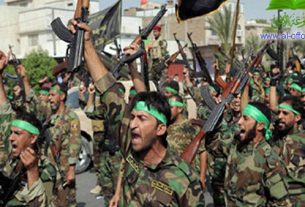
Regional tensions have soared since the US and Israel launched an offensive against Iran on Feb. 28, killing more than 1,400 people to date, including then-Supreme Leader Ali Khamenei.
Iran retaliated with drone and missile strikes targeting Israel as well as Jordan, Iraq, and Gulf countries hosting US military assets. It also restricted the transit of ships through the Strait of Hormuz, a critical waterway for global energy supplies. The two sides agreed on a two-week ceasefire on Tuesday.
-Source: AA
__________________________________________________________________________
FOLLOW INDEPENDENT PRESS:
WhatsApp CHANNEL
https://whatsapp.com/channel/0029VaAtNxX8fewmiFmN7N22

TWITTER (CLICK HERE)
https://twitter.com/IpIndependent

FACEBOOK (CLICK HERE)
https://web.facebook.com/ipindependent

YOUTUBE (CLICK HERE)
https://www.youtube.com/@ipindependent

Think your friends would be interested? Share this story!