Thu 05 February 2026:
Despite the emergence of the Nipah virus in India, Head of the Centre for Emerging Zoonotic and Parasitic Diseases, Dr Jacqueline Weyer, assures South Africans there is no immediate threat to the country.
While the virus has sparked global concern, experts emphasise that its transmission patterns differ significantly from those of COVID-19.
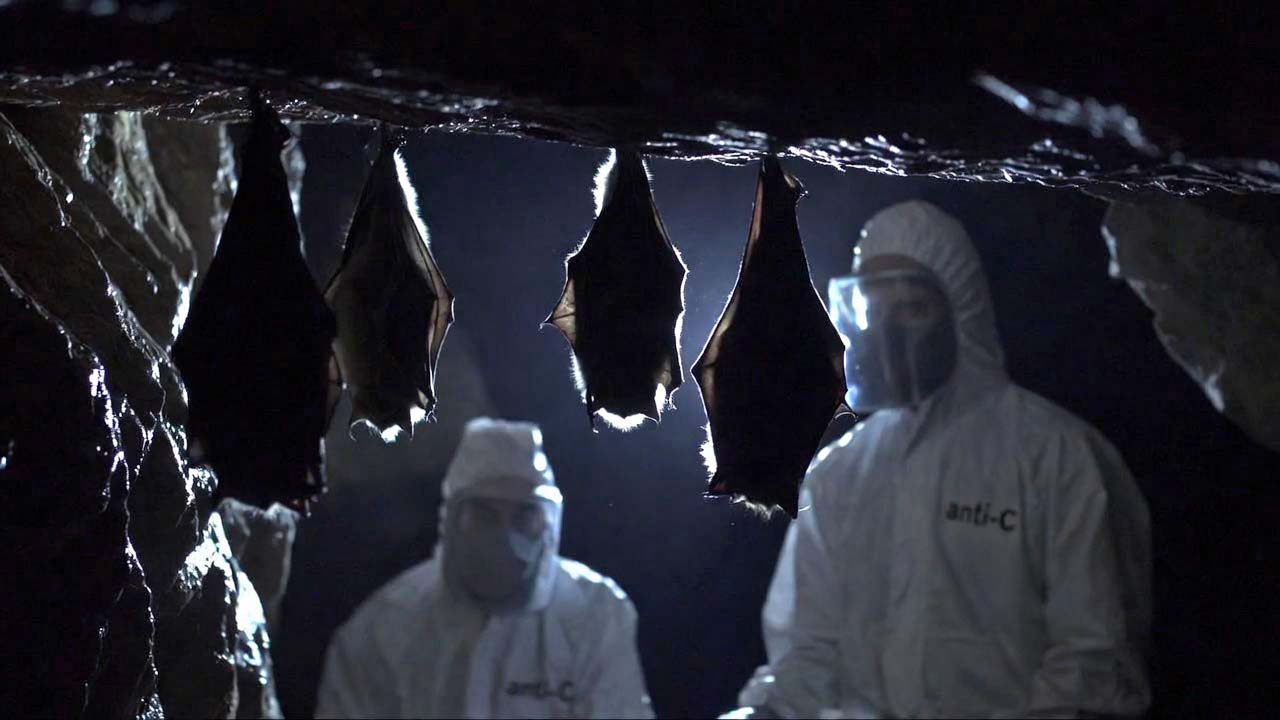
The Nipah virus is a zoonotic pathogen carried by fruit bats that can occasionally spill over to humans and other animals.
Unlike respiratory viruses such as COVID-19 and influenza, Nipah requires very close contact for human-to-human transmission, making community-wide spread unlikely. South Africa is not endemic for the disease, with the only risk coming from international travel to affected regions.
Dr Weyer explained that this is not a new threat, noting that “we’ve known outbreaks of Nipah virus to occur since 1998” and “the current outbreak in West Bengal, India is actually the 17th outbreak of this disease.”
__________________________________________________________________________

https://whatsapp.com/channel/0029VaAtNxX8fewmiFmN7N22
__________________________________________________________________________
Different from COVID-19
The Nipah virus’s transmission mechanism sets it apart from pandemic threats. Dr Weyer stressed that the public should understand this fundamental difference when assessing their personal risk.
“This transmission is through very close contact. This makes it very different from COVID-19 and influenza, which spread very readily through droplet transmission,” she explained.
No Local Risk
For South Africans specifically, Dr Weyer provided clear guidance on the country’s risk profile. She emphasised that the absence of the virus in local fruit bat populations means there is no domestic threat.
“The disease is not endemic in our country, there’s no risk of acquiring the disease locally as it stands at the moment,” Dr Weyer stated.
“We’ve got two confirmed cases. These are healthcare workers from one hospital in West Bengal, India. Contact tracing and monitoring of over 200 individuals in the affected area have not revealed any additional cases,” she added.
Given the minimal risk, Dr Weyer was clear that no special precautions are needed. She noted that historical patterns of Nipah outbreaks provide reassurance, with most involving fewer than 30 cases and no evidence of community-wide transmission. Still, she maintained that continued monitoring remains important as viruses can evolve.

__________________________________________________________________________
FOLLOW INDEPENDENT PRESS:
WhatsApp CHANNEL
https://whatsapp.com/channel/0029VaAtNxX8fewmiFmN7N22

TWITTER (CLICK HERE)
https://twitter.com/IpIndependent

FACEBOOK (CLICK HERE)
https://web.facebook.com/ipindependent

YOUTUBE (CLICK HERE)
https://www.youtube.com/@ipindependent

Think your friends would be interested? Share this story!