Tue 10 February 2026:
The advisory, released by the US Maritime Administration on Monday, also urged the captains of the ships against granting Iranian forces permission to board US vessels.
“If Iranian forces board a US-flagged commercial vessel, the crew should not forcibly resist the boarding party. Refraining from forcible resistance does not imply consent or agreement to that boarding,” the guidelines read.
__________________________________________________________________________

https://whatsapp.com/channel/0029VaAtNxX8fewmiFmN7N22
__________________________________________________________________________
“It is recommended that US-flagged commercial vessels transiting these waters remain as far as possible from Iran’s territorial sea without compromising navigational safety. When transiting eastbound in the Strait of Hormuz, it is recommended that vessels transit close to Oman’s territorial sea.”
The recommendations come after the US and Iran held a round of indirect talks in Oman on Friday, following weeks of escalating rhetoric and threats that brought the two countries to the verge of war.
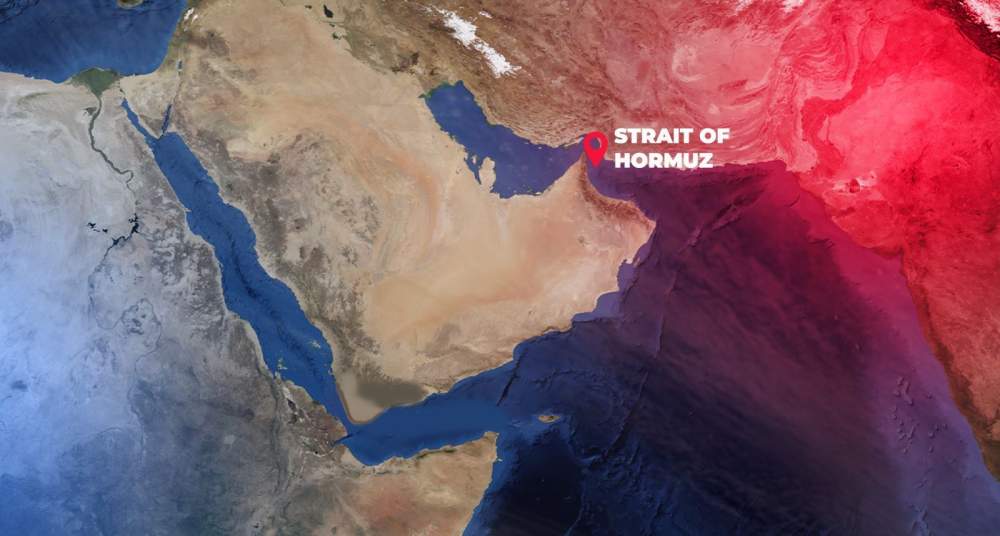
The Strait of Hormuz is a narrow waterway through which a significant share of global oil supplies is transported. Portions of the strait fall within Iranian territorial waters. In previous years, Iran has threatened to close the passage and has seized commercial ships and oil tankers, citing allegations of smuggling.
Shipping attacks
Global shipping lanes and commercial vessels have historically been threatened by geopolitical turmoil, especially in the Middle East.
During the Iran-Iraq conflict in the 1980s, both countries targeted merchant ships in what became known as the Tanker War.
More recently, Yemen’s Houthi group launched attacks against Israel-linked ships in the Red Sea in a campaign that the group said was aimed at ending Israel’s genocidal war on Gaza.
When Israel bombed Iran in June of last year, an Iranian lawmaker suggested that closing the Strait of Hormuz – a key shipping lane that connects the Gulf to the Indian Ocean – would be an option for Tehran should the war escalate.
The US government describes Hormuz as the “world’s most important oil chokepoint” due to its strategic location as the maritime entryway into the energy-producing region.
Late in January, Iran’s Islamic Revolutionary Guard Corps (IRGC) conducted naval military exercises in the strait, prompting the US military to warn Tehran against any “unsafe and unprofessional” behaviour.
The US military later said it shot down an Iranian drone that approached one of its aircraft carriers in the area.
Washington has also previously seized Iranian oil tankers as part of its maximum pressure campaign of sanctions against Tehran.
In 2019, the United Arab Emirates reported what it described as sabotage attacks against four ships in its territorial waters in the Gulf of Oman.
But there have been no recent public threats by Iran or any other party to vessels in and around the Gulf.
The US has been amassing military assets in the region, with US President Donald Trump regularly threatening renewed strikes against Iran, which saw a wave of antigovernment protests last month.
Separately, U.S. President Donald Trump signed an executive order on Friday imposing a 25% tariff on imports from any country that purchases goods from Iran, either directly or indirectly. The measure follows earlier warnings from Washington aimed at increasing economic pressure on Tehran.
SOURCE: INDEPENDENT PRESS AND NEWS AGENCIES
__________________________________________________________________________
FOLLOW INDEPENDENT PRESS:
WhatsApp CHANNEL
https://whatsapp.com/channel/0029VaAtNxX8fewmiFmN7N22

TWITTER (CLICK HERE)
https://twitter.com/IpIndependent

FACEBOOK (CLICK HERE)
https://web.facebook.com/ipindependent

YOUTUBE (CLICK HERE)
https://www.youtube.com/@ipindependent

Think your friends would be interested? Share this story!