Thu 05 February 2026:
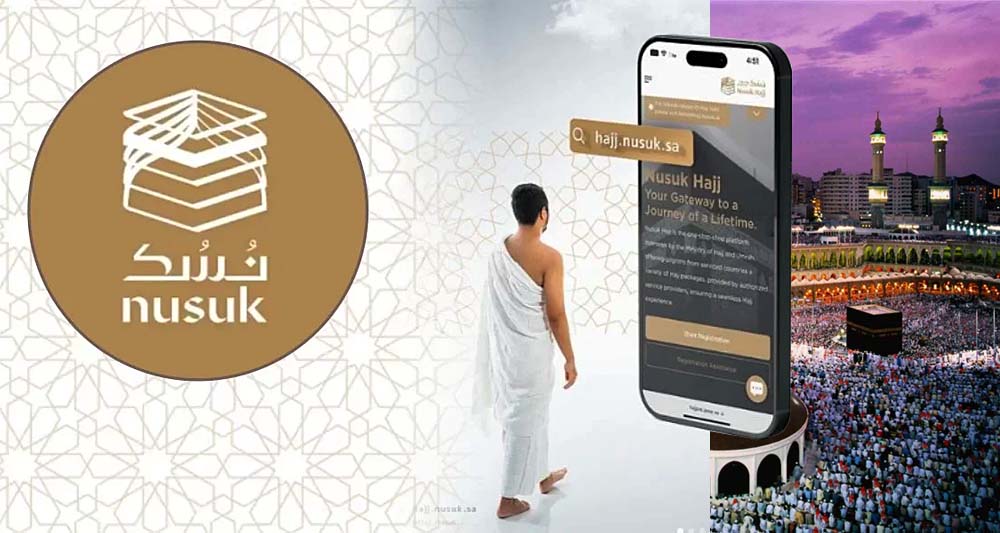
The Nusuk Hajj 2026 system has introduced significant changes for South African pilgrims.
The new direct Nusuk application platform requires technical knowledge and upfront payment, unlike the previous community-based process.
Many ordinary pilgrims find the financial and logistical demands increasingly out of reach. Costs have risen sharply, while the duration of Hajj has been shortened, reducing both affordability and the time available for spiritual reflection.
Currency exchange rates exacerbate the problem, making packages more expensive for South Africans compared to pilgrims from the UK, USA, or Europe.
Basic accommodations are often kilometres from the Haram, requiring daily taxis or shuttles, which further complicates the experience.
__________________________________________________________________________

https://whatsapp.com/channel/0029VaAtNxX8fewmiFmN7N22
__________________________________________________________________________
Confusion and dissatisfaction among pilgrims
The transition to Nusuk has caused confusion and dissatisfaction. Approvals are inconsistent, with some families partially accepted and others rejected. Refunds incur a 2.3 percent administrative fee, and fluctuations in the rand–riyal exchange rate may affect final amounts. The complexity of the system has left many feeling excluded, particularly those who had saved under the previous process but cannot meet the higher costs now required.
Financial and spiritual consequences
Shaheen Essop, board member at Sahuk, highlighted the implications of these changes. He noted that the system shifts Hajj towards those who can afford it, while private service providers capture most of the profit.
The post-Covid privatization of Hajj has increased fees and reduced service quality, leaving packages shorter and less convenient. He emphasised that first-time and repeat pilgrims are treated equally under Nusuk, which, while fair on paper, has disadvantaged those who previously relied on community-based support.
Shaheen spoke of the spiritual consequences, reminding listeners that Hajj remains an obligation for those able to undertake it. However, the financial and logistical barriers mean many ordinary South Africans may never get the opportunity. He also criticised the commercialization of Hajj, likening it to the way Christmas has become commercialised, and expressed concern that Hajj is also being overshadowed by profit and technical requirements.
The role of nonprofit and lower-cost operators
Shaheen pointed out that nonprofit and lower-cost operators previously offered more accessible packages, sometimes collaborating to serve pilgrims well. The current system, however, leaves little room for such models. Many pilgrims have expressed a desire to return to the old process, citing complexity, exclusion, and cost as barriers. Ongoing communication with the Ministry of Hajj and Umrah seeks to address these challenges, but the landscape remains uncertain.
The broader picture for South African pilgrims
While the Nusuk Hajj 2026 system aims to modernize the application process, for South Africans it has introduced significant financial, logistical, and spiritual obstacles. Shaheen Essop’s observations underline the tension between Hajj and the practical realities imposed by privatization, technological requirements, and global financial disparities.
For more on this, watch the video below:
__________________________________________________________________________
FOLLOW INDEPENDENT PRESS:
WhatsApp CHANNEL
https://whatsapp.com/channel/0029VaAtNxX8fewmiFmN7N22

TWITTER (CLICK HERE)
https://twitter.com/IpIndependent

FACEBOOK (CLICK HERE)
https://web.facebook.com/ipindependent

YOUTUBE (CLICK HERE)
https://www.youtube.com/@ipindependent

Think your friends would be interested? Share this story!