Tue 06 October 2026:
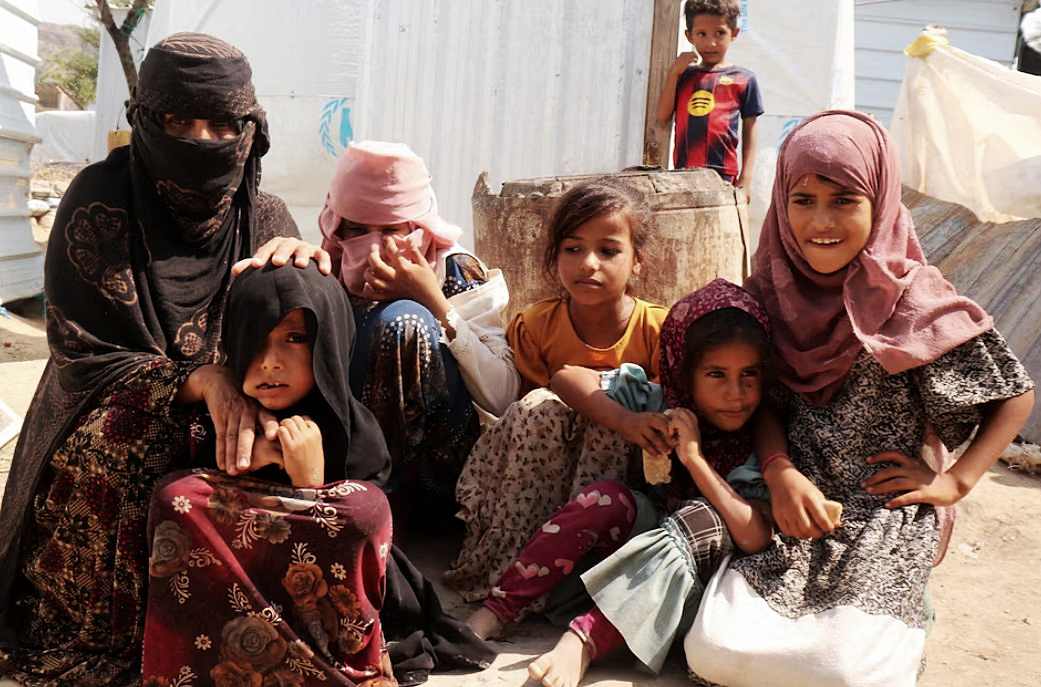
Women and girls account for 53% of the projected 22 million additional people who could face food insecurity by the end of this year due to the Mideast escalation and disruption in the Strait of Hormuz, according to a UN Women analysis released Friday.
That amounts to an additional 11.7 million women and girls across the 28 countries analyzed, on top of an estimated 208 million who were already food insecure or undernourished, it said.
“When food becomes scarce, women eat less and last,” UN Women Deputy Executive Director Nyaradzayi Gumbonzvanda said, noting that women often shift to less nutritious diets or skip meals to prioritize others.
The analysis said disruptions to shipping through the Strait of Hormuz are increasing energy, fertilizer and transport costs, pushing food prices higher.
According to the analysis, countries such as South Sudan, Sudan, Haiti, Yemen, and Palestine face more concentrated risks, as multiple sources of vulnerability overlap.
__________________________________________________________________________

https://whatsapp.com/channel/0029VaAtNxX8fewmiFmN7N22
__________________________________________________________________________
Sudan’s female population faces highest risk
In South Sudan, the additional number of women and girls who could face food insecurity represents around 14%, or one in seven, of the country’s female population, the highest proportion among the 28 countries analyzed.
Lebanon follows with nearly 4% of its female population potentially facing additional food insecurity.
Women and girls are also expected to account for a particularly high share of those potentially affected in several countries, including 60% in Afghanistan, more than 57% in Yemen, and nearly 56% in Sudan.
The analysis also highlighted employment and financial inequalities that could leave women less able to absorb rising food prices and income losses.
Around 80% of women in Egypt, Iraq, Palestine, Sudan and Syria are outside the labor force, rising to around 95% in Afghanistan and Yemen.
Among employed women, more than 80% are in vulnerable employment in Afghanistan, Burkina Faso, Ethiopia, Haiti, Mali, and South Sudan.
Financial access also remains limited, with fewer than one in five women in Iraq, Lebanon, Pakistan, and Yemen owning a bank or mobile money account, according to the analysis.
UN Women called for food and cash assistance alongside nutrition, protection, livelihoods and agricultural support.
It also urged resources to be targeted to places where women and girls face multiple, overlapping risks, and delivered at the right time – including ahead of agricultural seasons.
-Source: AA
__________________________________________________________________________
FOLLOW INDEPENDENT PRESS:
WhatsApp CHANNEL
https://whatsapp.com/channel/0029VaAtNxX8fewmiFmN7N22

TWITTER (CLICK HERE)
https://twitter.com/IpIndependent

FACEBOOK (CLICK HERE)
https://web.facebook.com/ipindependent

YOUTUBE (CLICK HERE)
https://www.youtube.com/@ipindependent

Think your friends would be interested? Share this story!