Sun 20 September 2026:
Research suggests population collapse after British arrival was far greater than earlier estimates indicated
Australia’s Indigenous population before British colonisation may have been substantially larger than previously estimated, with new research placing the median population at about 2.22 million people.
The study, published on September 15 in Nature Human Behaviour, combines archaeological and genetic evidence, historical observations and computer modelling of Australia’s environmental capacity to reconstruct the size of the Indigenous population before European invasion.
Earlier estimates had generally placed the pre-colonial Indigenous population between 250,000 and 1 million. The researchers said those estimates were constrained by the absence of systematic population records and by the fact that disease, violence and other effects of colonisation had already caused major population losses by the time colonial authorities began making population assessments.
The new study found that the different lines of evidence were consistent with a median pre-colonial population of 2.22 million, although the researchers stress that reconstructing a population from the period before systematic censuses involves considerable uncertainty.
__________________________________________________________________________

https://whatsapp.com/channel/0029VaAtNxX8fewmiFmN7N22
__________________________________________________________________________
Population collapse after 1788
The researchers estimate that around 93% of the Indigenous population was lost in less than 80 years following the arrival of the First Fleet in 1788.
Their modelling indicates that approximately 2.06 million excess deaths between 1788 and 1861 would be required to reconcile the estimated pre-colonial population with historical census records. The study attributes the demographic collapse to mortality associated with colonial invasion, including infectious diseases, frontier violence and other forms of colonial disruption.
The findings add to a long-running debate over the scale of Australia’s Indigenous population before colonisation and the demographic consequences of British settlement.
A continent inhabited for tens of thousands of years
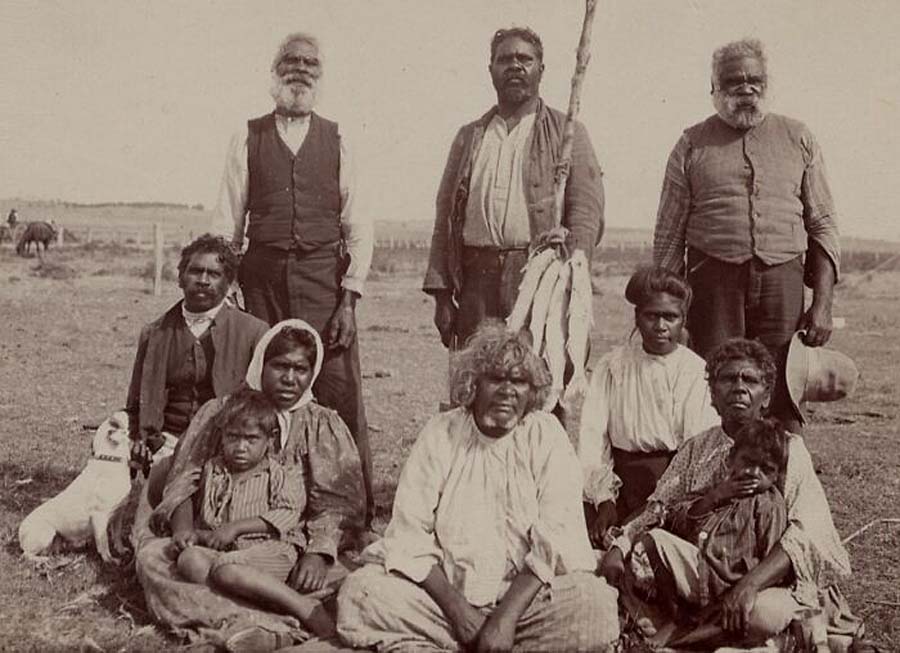
Aboriginal and Torres Strait Islander peoples are recognised as Australia’s First Peoples, with archaeological and other research indicating human occupation of the continent for more than 60,000 years. Australia was home to numerous distinct Indigenous nations and communities, with their own languages, laws, cultures, economies and systems of managing the land.
British occupation began in 1788, when the First Fleet established a penal colony at Sydney Cove under Governor Arthur Phillip. The arrival of the fleet rapidly transformed the lives of Indigenous communities around Sydney and, as British settlement expanded, across other parts of the continent.
Disease and frontier violence
Disease was one of the most devastating consequences of early colonisation. A major smallpox outbreak occurred around Sydney in 1789, roughly a year after the First Fleet arrived, killing large numbers of Indigenous people who had no previous exposure and therefore little or no immunity. The National Museum of Australia says the outbreak had a devastating impact on Indigenous communities, although the precise origin of the outbreak remains debated by historians.
As settlers expanded onto Aboriginal lands for agriculture and grazing, conflict also intensified. Indigenous resistance included attacks on farms and livestock, while settlers and colonial authorities carried out punitive expeditions and killings. The National Museum of Australia documents frontier violence from the beginning of European colonisation, noting that many attacks against Indigenous people occurred far from police and courts and often went unpunished.
In Tasmania, for example, British expansion, disease, dispossession and violence produced a severe population decline and contributed to the conflict known as the Black War during the 1820s.
From dispossession to government control
Colonisation also involved the loss of Indigenous access to traditional lands and resources. As British settlements expanded, Aboriginal communities were increasingly displaced, while colonial governments introduced systems intended to control where Indigenous people lived and how they interacted with wider society.
The consequences extended well beyond the initial decades of settlement. Policies governing Indigenous lives continued into the 19th and 20th centuries, including systems of protection, reserves and the forced removal of some Aboriginal and Torres Strait Islander children from their families.
The new population study therefore provides not only a revised estimate of Australia’s Indigenous population before 1788, but also a new demographic framework for understanding the scale of population loss that followed British colonisation. The researchers say their findings contribute to broader efforts around historical truth-telling and reconciliation.
SOURCE: INDEPENDENT PRESS AND NEWS AGENCIES
__________________________________________________________________________
FOLLOW INDEPENDENT PRESS:
WhatsApp CHANNEL
https://whatsapp.com/channel/0029VaAtNxX8fewmiFmN7N22

TWITTER (CLICK HERE)
https://twitter.com/IpIndependent

FACEBOOK (CLICK HERE)
https://web.facebook.com/ipindependent

YOUTUBE (CLICK HERE)
https://www.youtube.com/@ipindependent

Think your friends would be interested? Share this story!