Tue 09 June 2026:
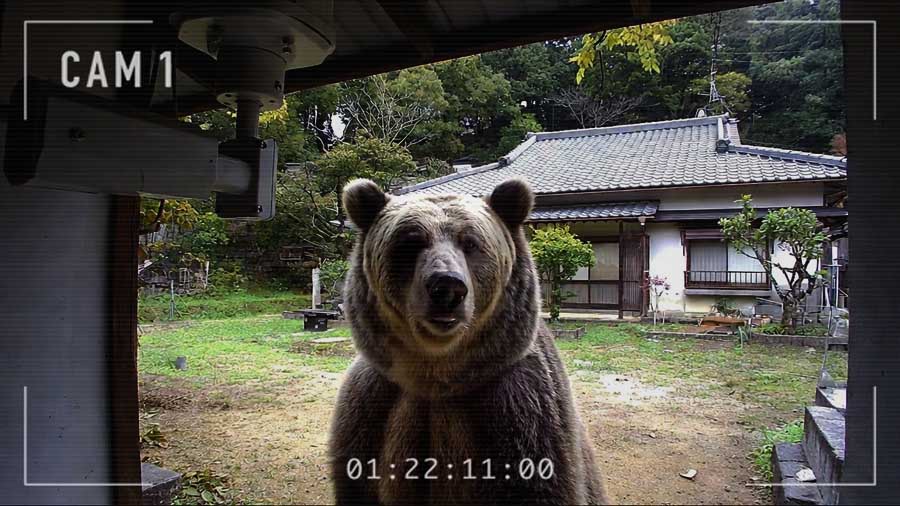
“We have vehicles out in areas where a bear was seen to make people aware and to urge them to stay indoors or in vehicles,” a city official confirmed, adding that dozens of hunters, police and local officials have been looking for the animal.
It was not clear whether there was one bear or more, he said, speaking on condition of anonymity.
__________________________________________________________________________

https://whatsapp.com/channel/0029VaAtNxX8fewmiFmN7N22
__________________________________________________________________________
Surge in urban bear encounters
In recent years, Japan has seen an increasing number of bear sightings and attacks, especially in urban areas.
A record 13 people were killed by bears in Japan last year, and there has been a jump in encounters as the animals emerge hungry from hibernation.
Nationwide bear sightings topped a record 50,000 in the year ending March, more than doubling the previous record set two years earlier, official data shows.
In Utsunomiya, a regional capital and home to 510,000 residents, there were just two unconfirmed bear sightings in the previous year.
The bear now being hunted was first spotted Saturday morning, north of the city center, and was described as being around one meter (3 feet) long.
A series of sightings followed, including in a residential neighborhood that day, at a shopping arcade on Sunday, and at a park, a high school and a junior school.
Early Monday, residents spotted a bear close to a wholesale market, the city official said.
Bear attacks in Japan have been on the increase in recent years, with a record high number of deaths and injuries recorded in the year to March. Local governments are exploring various methods in response, including CCTV cameras linked to AI analysis in an attempt to track their movements.
Precise population numbers are unavailable, but there are estimated to be between 12,000 and 42,000 Asiatic black bears on Japan’s main Honshu island, and numbers are thought to have increased in line with the growth in sightings. They can grow to up to 1.5 metres long and weigh up to 120kg.
The bigger brown bears live only on the northern island of Hokkaido, with males averaging 2 metres in length and can weigh up to 400kg. They are estimated to number about 12,000.
Fluctuations in harvests of bears’ staple foods, including acorns, can bring them into towns and villages to forage. Falling rural populations, particularly of younger people, is thought by experts to make enter residential areas quieter and thus more likely that bears will enter, leading to an increase in encounters with humans.
Japan’s bear crisis outpaces North America
A Britannica post notes that places such as Russia, Canada, or the United States, with large, uninhabited areas of bear country, naturally experience higher frequencies of bear encounters.
But Japan has also been facing problems with bears for quite a while. The country hosts two species that live primarily in remote mountain and forest habitats: the Ussuri brown bear, which lives on Japan’s northernmost main island of Hokkaido, and the Japanese black bear, which lives on Honshu and Shikoku.
Officials at Japan’s Environment Ministry have reported 50 or more people injured by bears annually since 2014. This figure rose to 213 in 2023. Approximately 220 people were injured in 2025.
In comparison, there are often fewer than 50 bear attacks across the whole of North America each year, which result in about 2–5 deaths annually.
SOURCE: INDEPENDENT PRESS AND NEWS AGENCIES
__________________________________________________________________________
FOLLOW INDEPENDENT PRESS:
WhatsApp CHANNEL
https://whatsapp.com/channel/0029VaAtNxX8fewmiFmN7N22

TWITTER (CLICK HERE)
https://twitter.com/IpIndependent

FACEBOOK (CLICK HERE)
https://web.facebook.com/ipindependent

YOUTUBE (CLICK HERE)
https://www.youtube.com/@ipindependent

Think your friends would be interested? Share this story!