

Sat 24 October 2026:
New assessment classifies 96% of systems as critically endangered amid rising ocean temperatures
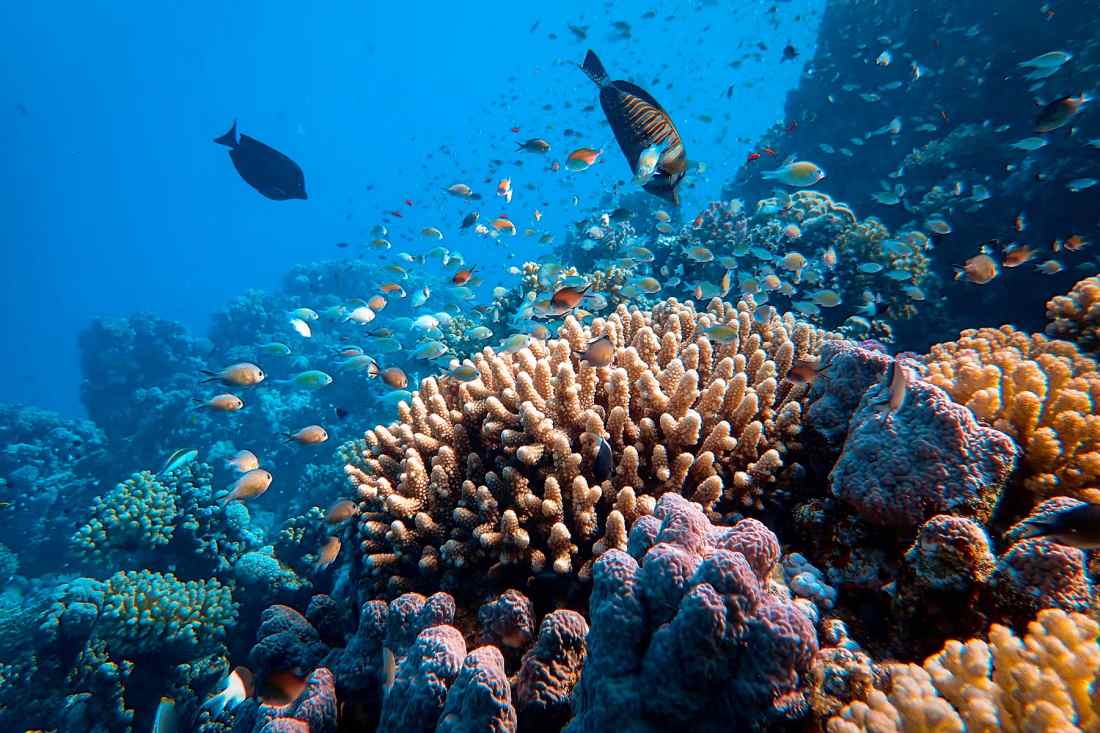
Almost all of the world’s shallow-water coral reefs face an extremely high risk of collapse within the next 50 years, according to a new global assessment from the International Union for Conservation of Nature (IUCN).
In a report released Thursday, the authority on threatened wildlife placed 96 percent of the planet’s coral reef systems in the “critically endangered” category—its highest risk level—raising the possibility of total extinction by 2075.
“The future threat of climate change is looming and severe, and that poses a very high risk to the survival of these ecosystems,” said Mishal Gudka, scientific lead of the IUCN Red List of Coral Reef Ecosystems assessment.
__________________________________________________________________________

https://whatsapp.com/channel/0029VaAtNxX8fewmiFmN7N22
__________________________________________________________________________
Heat-driven bleaching threatens recovery
Corals are highly sensitive to temperature and especially vulnerable to human-driven climate change, which is warming oceans and driving more frequent and intense bleaching events. When a reef collapses, hard corals vanish and are replaced by algae, rubble, and sponges. The result is a loss of the complex habitat that once supported everything from tiny invertebrates to larger reef fish such as grouper.
The emergence this year of a “super” El Niño—the natural warming cycle—adds further risk to corals, Gudka noted during a news conference at the UN’s COP17 biodiversity summit in Yerevan, Armenia.
Iconic systems at critical risk
The warning is the latest setback for coral reefs, which supply seafood and tourism revenue while protecting coastlines from erosion and storms. Often called the “rainforests of the sea,” they rank among the most biodiverse ecosystems on Earth, supporting roughly a quarter of all marine species as well as coastal communities and economies.
Most of the world’s best-known reef systems—including the Great Barrier Reef in Australia, the Coral Triangle in the Western Pacific and Southeast Asia, the Mesoamerican Barrier Reef System, and the Red Sea coral reefs—are now listed as critically endangered under the assessment.
Elevated risk of extinction
For the report, the IUCN applied the “middle-of-the-road” scenario from the UN’s climate experts, which projects global temperatures rising 2.7°C above pre-industrial levels by 2100. The analysis covered 127 tropical and subtropical coral systems spanning 188,362 square kilometres.
A separate IUCN study published a week earlier in the journal Nature found that nearly 44 percent of reef-building coral species already face an elevated risk of extinction from climate change. A survey released a year ago showed harmful bleaching had reached 84 percent of the ocean’s reefs—the most widespread event on record.
Window for action still open
Despite the stark outlook, the IUCN stressed that coral reefs in most parts of the world “are not yet lost.”
“Coral reefs have shown a remarkable ability to bounce back from devastating bleaching events,” said Gudka. “Pockets of surviving, resilient coral reefs can still remain in the future, so we must do everything within our reach to set them up for success.”
SOURCE: INDEPENDENT PRESS AND NEWS AGENCIES
__________________________________________________________________________
FOLLOW INDEPENDENT PRESS:
WhatsApp CHANNEL
https://whatsapp.com/channel/0029VaAtNxX8fewmiFmN7N22

TWITTER (CLICK HERE)
https://twitter.com/IpIndependent

FACEBOOK (CLICK HERE)
https://web.facebook.com/ipindependent

YOUTUBE (CLICK HERE)
https://www.youtube.com/@ipindependent

Think your friends would be interested? Share this story!


