Fri 14 August 2026:
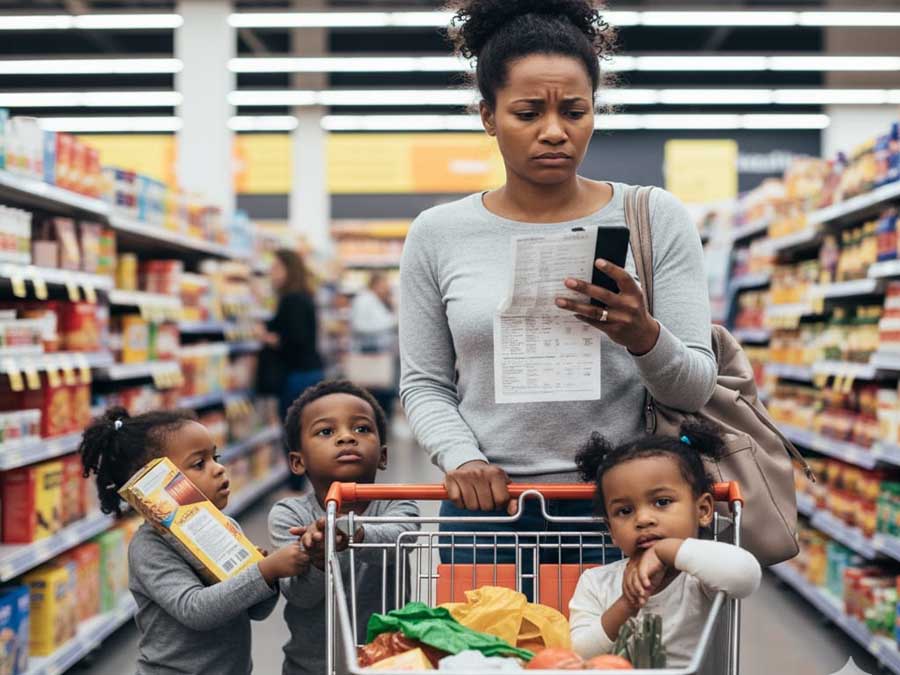
Electricity prices have become one of the biggest burdens on South African households, with families increasingly forced to choose between paying for power and covering other basic needs. Rising tariffs have combined with transport costs and food inflation to squeeze already stretched incomes across the country.
Lisa Makaula, advocacy and programme lead at The Green Connection, said the combined pressure of these rising costs had left many households making difficult trade-offs. She linked the crisis to outdated energy policy and the country’s continued reliance on fossil fuels.
“Electricity has gone up quite rapidly, and it’s not just electricity. On the other side, it’s transport costs, and inflation has been making food prices go up… that is putting a burden on vulnerable communities as well as households because now they either have to choose between buying electricity or buying bread.”
__________________________________________________________________________

https://whatsapp.com/channel/0029VaAtNxX8fewmiFmN7N22
__________________________________________________________________________
Managing The Shift Away From Fossil Fuels
Makaula said moving away from fossil fuel-dependent industries needed to be carefully managed to protect jobs, particularly in sectors such as mining. The government needed a clear plan to reskill workers currently employed in high-carbon industries before any transition could take place.
She said change in the sector was coming regardless of how prepared the country was, and that the process depended on proper planning and policy frameworks rather than an abrupt switch.
“When you are moving away from industries that are heavily reliant on high carbon, and you are moving to industries that have low carbon emissions, you can’t just switch up overnight.”
What Consumers Can Do In The Meantime
Makaula said renewable alternatives such as rooftop solar remained financially out of reach for most South Africans in the short term. Given the state of the economy, she said it was unfair to expect ordinary households to fund their own transition to cleaner energy.
She instead called for government intervention, including higher free basic electricity allocations for low-income households, currently limited to 50 kilowatt-hours a month.
“Solar and all those other technologies, they are still out of reach, and with how the economy is, it’s a bit unfair to expect people to have those things.”
Makaula called on the energy minister to gazette the long-delayed electricity pricing policy and to raise the free basic electricity allocation for low-income households to closer to 300 kilowatt-hours a month.
She urged members of the public to engage with the policy, saying public comment would be critical in shaping fairer tariff structures going forward.

__________________________________________________________________________
FOLLOW INDEPENDENT PRESS:
WhatsApp CHANNEL
https://whatsapp.com/channel/0029VaAtNxX8fewmiFmN7N22

TWITTER (CLICK HERE)
https://twitter.com/IpIndependent

FACEBOOK (CLICK HERE)
https://web.facebook.com/ipindependent

YOUTUBE (CLICK HERE)
https://www.youtube.com/@ipindependent

Think your friends would be interested? Share this story!