Sun 13 September 2026:
The Rohingya humanitarian crisis remains one of the most severe and protracted refugee and human rights emergencies in the world, now extending over nine years since the mass displacement began.
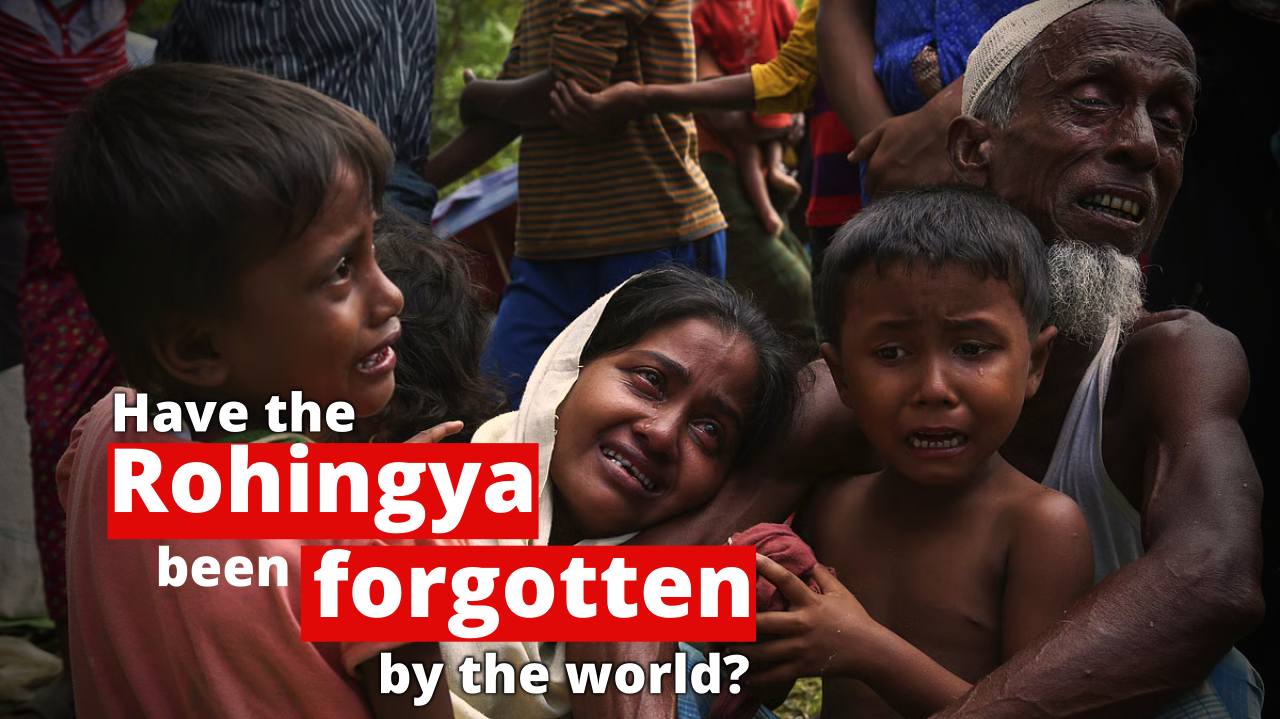
Sami Hamdi describes the Rohingya refugee camps as a harrowing environment that highlights the failure of the international community. He recounts visiting the camps and witnessing the severe neglect: families living in makeshift huts reinforced with bamboo and tin fences, and children living in conditions without proper education or basic facilities. He emphasizes that an entire generation is currently being born and raised within these camps with no path forward, which he views as a profound embarrassment to the global Muslim community.
The Political Dilemma for Bangladesh
The video highlights the difficult position of Bangladesh, which hosts the refugees:
- Lack of Political Roadmap: Hamdi argues that the absence of a clear political strategy has allowed both the Myanmar government and the Arakan Army to dictate terms that exclude the Rohingya.
- The “Citizen” Trap: There is a strong reluctance in Bangladesh to grant the Rohingya citizenship. The government fears that doing so would allow Myanmar and the Arakan Army to claim that the Rohingya are simply Bengalis who should be repatriated, rather than an indigenous minority of the Rakhine state.
- Public Sentiment and Host Fatigue: Much like the situation he observed with Syrians in Turkey, Hamdi notes that economic strain has led to some growing resentment among the local Bangladeshi population, who are beginning to ask how long they are expected to bear this burden. He warns that this “leeching” narrative is dangerous and echoes the words of hypocrites from historical Islamic narratives.
__________________________________________________________________________

https://whatsapp.com/channel/0029VaAtNxX8fewmiFmN7N22
__________________________________________________________________________
The Proposed “Mecca Alliance” as a Potential Solution
Hamdi posits that the crisis shouldn’t be viewed solely as a burden, but as an opportunity for the Muslim world to project power and influence. He suggests a specific diplomatic and peacekeeping role for the emerging “Mecca Alliance” (Saudi Arabia, Turkey, and Pakistan):
- Peacekeeping vs. Defense: Instead of just a defensive pact, the Alliance could leverage its diplomatic weight with China and the US to act as a peacekeeping force.
- Creating a Buffer Zone: He suggests that this force could potentially carve out a buffer zone in northern Rakhine, allowing the Rohingya to return under protection.
- Political Organizing: He believes Bangladesh should allow the Rohingya to organize politically within its borders—similar to how Turkey allowed Syrian opposition groups to organize in Istanbul—to create a unified voice that can negotiate their return with the Myanmar authorities and the Arakan Army.
The Moral Mandate
Hamdi’s analysis is deeply rooted in his view that Muslim nations have “agency”—the ability to act—and that they shouldn’t blame the system for inaction. He argues that by treating the Rohingya as the Ansar (the helpers) treated the Muhajirun (the refugees) in the time of the Prophet, and by taking bold political steps, these nations would not only be doing the right thing morally but would also gain significant geopolitical leverage and respect on the world stage.
1. Ongoing Atrocity Crimes and Displacement
- Despite international attention, Rohingya communities continue to face atrocity crimes and mass displacement.
- UN experts warn that the crisis is deepening, with no sustainable resolution in sight as of August 2026.
- The Rohingya remain largely stateless and vulnerable, with many still living in refugee camps primarily in Bangladesh and parts of Southeast Asia.
2. Humanitarian Funding and Needs
- The Joint Response Plan (JRP) for 2026 requires approximately $710.5 million to assist 1.6 million people, including Rohingya refugees and host communities.
- Funding appeals highlight urgent needs for shelter, food, healthcare, education, and protection services.
- As of mid-2026, only about 26% of the required funds have been secured, leading to concerns about aid cuts and their impact on vulnerable populations.
3. Geographic Focus and Risks
- Refugee camps in Bangladesh, especially in the Cox’s Bazar region, remain the largest concentration of Rohingya refugees.
- There are ongoing risks from natural disasters such as landslides and floods, particularly in the Chattogram and Bandarban districts, which exacerbate the humanitarian situation.
- Anticipatory action plans are in place to mitigate the impact of these environmental hazards.
4. International Response and Challenges
- The UN and humanitarian organizations continue to coordinate aid delivery, but political and logistical challenges persist.
- Host countries like Bangladesh and Malaysia play critical roles but face resource constraints and political pressures.
- There is a call for the international community to maintain focus and funding to prevent further deterioration of the crisis.
5. UNHCR and Operational Updates
- The UNHCR operational data portal provides ongoing updates on the situation, including refugee registration, aid distribution, and protection efforts.
- Efforts are ongoing to improve living conditions and explore durable solutions, though repatriation remains stalled due to security and political concerns in Myanmar.
SOURCE: The Thinking Muslim
__________________________________________________________________________
FOLLOW INDEPENDENT PRESS:
WhatsApp CHANNEL
https://whatsapp.com/channel/0029VaAtNxX8fewmiFmN7N22

TWITTER (CLICK HERE)
https://twitter.com/IpIndependent

FACEBOOK (CLICK HERE)
https://web.facebook.com/ipindependent

YOUTUBE (CLICK HERE)
https://www.youtube.com/@ipindependent

Think your friends would be interested? Share this story!