

Mon 19 October 2026:
Global Defense Sites Restrict Foreign Electric and Smart Vehicles Over Espionage Concerns
Critical defense facilities worldwide are increasingly limiting access for foreign-made electric and smart vehicles amid growing worries about espionage and data security risks. Governments across Europe, North America, and Asia have introduced such restrictions, with major Turkish defense companies—including Aselsan, Roketsan, Havelsan, and the Engine Industries (TEI) subsidiary of Turkish Aerospace Industries (TAI)—recently following suit.
Experts Highlight Sensor and Data Transmission Threats
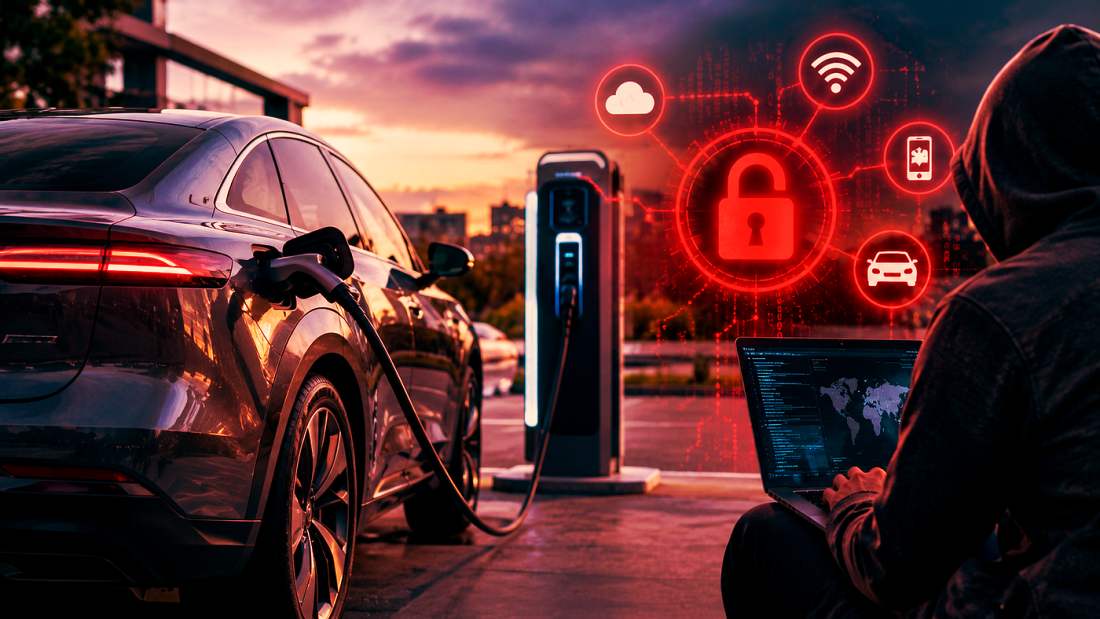
Specialists caution that smart and electric vehicles present security risks through their sophisticated sensors, external cameras, high-gain microphones, and continuous GPS tracking. These systems map surroundings in real time and send information to servers controlled by foreign manufacturers.
__________________________________________________________________________

https://whatsapp.com/channel/0029VaAtNxX8fewmiFmN7N22
__________________________________________________________________________
European Countries Implement Targeted Bans and Limits
Poland introduced a ban in February 2026 prohibiting Chinese vehicles from defense sites over surveillance concerns. Polish military personnel were also barred from connecting mobile devices to the infotainment systems of Chinese cars, with officials stating the steps protect the defense infrastructure of NATO allies.
In Czechia, authorities limited Chinese-made vehicles—including certain Tesla and Volvo models produced in China—from military facilities and adjacent security areas. The restrictions later extended to industrial sites after the ORLEN Group barred Chinese-assembled cars from entering or parking at its petrochemical refineries.
Germany’s military and intelligence agencies have imposed strict parking prohibitions for Chinese cars. Public broadcasters WDR and NDR reported that the parking area at the Bundeswehr Operational Command in Schwielowsee, near Potsdam, does not permit Chinese vehicles, though owners may use designated spots. Comparable rules apply at German Federal Intelligence Service (BND) sites. The German Defense Ministry confirmed bans in high-security zones but declined to list specific models for security reasons.
The United Kingdom has expanded local screening at defense installations, with several bases no longer admitting Chinese-made models. The UK Defense Ministry noted there is no nationwide rule banning such vehicles from all military facilities.
Switzerland has applied targeted limits on always-online vehicles near critical electronic sites, including the Zimmerwald Electronic Warfare Center near Bern. France’s counterintelligence agency, DRSD, has alerted defense facilities to potential espionage issues involving Chinese BYD-made and Tesla vehicles.
North American and Asian Actions Parallel European Steps
The United States advanced federal legislation to exclude foreign always-online vehicles from sensitive military bases. The National Defense Authorization Act for Fiscal Year 2027 includes provisions barring foreign-linked connected vehicles from Defense Department bases beginning July 1, 2027. These steps build on earlier Commerce Department rules phasing out imports and sales of vehicle software and hardware linked to Chinese and Russian firms.
China set an early example in 2021 by barring Tesla vehicles from military facilities and government compounds over unauthorized data logging concerns. Beijing eased some limits in 2024 after Tesla met Chinese data standards, though strict bans on foreign software and hardware continue across state bodies.
Russia has strengthened perimeter controls on electronic devices and connected vehicles at defense plants. State agencies and firms such as Rostec have enforced parallel bans on Western technology, including a prohibition on Apple hardware for official use due to espionage worries.
Turkish Defense Campuses Adopt Similar Precautions
Turkish aerospace and defense campuses have likewise restricted foreign electric vehicles because of their multiple sensors and the mapping data they transmit to foreign entities, TEI CEO Mahmut Faruk Aksit said in a recent statement.
The coordinated international push against foreign technology—particularly foreign-made electric vehicles—illustrates how advances in civilian electric vehicles have turned smart mobility into a key arena for military counterintelligence.
SOURCE: INDEPENDENT PRESS AND NEWS AGENCIES
__________________________________________________________________________
FOLLOW INDEPENDENT PRESS:
WhatsApp CHANNEL
https://whatsapp.com/channel/0029VaAtNxX8fewmiFmN7N22

TWITTER (CLICK HERE)
https://twitter.com/IpIndependent

FACEBOOK (CLICK HERE)
https://web.facebook.com/ipindependent

YOUTUBE (CLICK HERE)
https://www.youtube.com/@ipindependent

Think your friends would be interested? Share this story!


