Mon 31 August 2026:
Death toll rises to 903 in Nepal, while more than 4,000 people remain missing as rescuers battle deep mud and massive debris deposits.
Rescue teams in Nepal are racing to reach more than 900 people believed to be trapped inside tunnels and underground facilities at several hydropower projects following last week’s catastrophic flash floods, the country’s disaster management authority said on Monday.
The death toll from the unprecedented torrent of ice, rocks, mud and debris that swept through Nepal’s valleys last Wednesday has climbed to 903, according to officials. A further 16 deaths have been reported on the Chinese side of the border in Tibet.
More than 4,000 people remain missing in Nepal, while another 500 are unaccounted for in Tibet.
The floods sent huge amounts of debris down the Himalayan valleys, carrying bodies and destroying infrastructure. Hundreds of victims, many of whom have yet to be identified, have been buried in shallow graves after their remains were carried onto the plains.
900 believed trapped in hydropower tunnels as Nepal-Tibet floods devastate region
Workers thought to be trapped in the tunnels and underground areas of about half a dozen hydropower projects in Nepal following devastating flash floods
Read more here:https://t.co/YZLRQrAfFQ pic.twitter.com/knCVthQJJi
— INDEPENDENT PRESS (@IpIndependent) August 31, 2026
Rescuers focus on hydropower projects
Nepali authorities said on Monday that one of their main priorities was finding 933 people reported missing from hydropower facilities in the worst-affected areas.
Images and videos released by rescue teams showed heavy machinery digging through thick layers of mud and debris in an effort to reach blocked tunnels.
Nepal Army spokesperson Raja Ram Basnet described the scale of the obstruction as a major challenge.
“A large amount of debris has been deposited and that is posing us a big challenge to open the tunnels,”
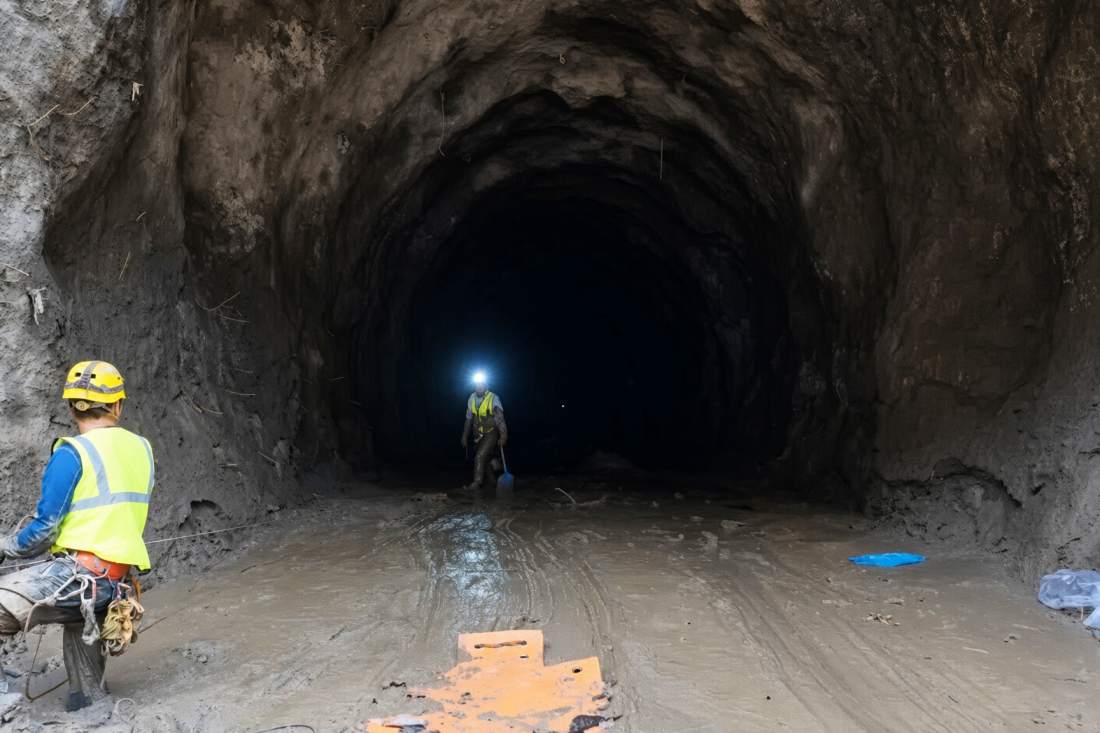
Rescue workers are facing particularly difficult conditions inside the underground facilities, where mud has accumulated to considerable depths.
Ashish Gurung, a guide who joined the rescue operation, described the conditions at the site.
“There is just mud everywhere,” he told the Guardian. “Inside the tunnel it was worse. It’s so difficult to move, the mud is so deep.”
On Sunday, Gurung’s team was attempting to reach the Chilime Hydropower project in Ruswana, one of the areas hit hardest by the disaster.
__________________________________________________________________________

https://whatsapp.com/channel/0029VaAtNxX8fewmiFmN7N22
__________________________________________________________________________
Makeshift bridges used in dangerous search
Mountaineers involved in the operation have been forced to improvise as they navigate the heavily damaged sites.
Rescuers used wooden planks to determine how deep the mud was before turning them into makeshift bridges. They also relied on ropes to help prevent themselves from being swept into unstable areas.
“Walking in it is very difficult; at one point it was up to our chests,” Gurung said. “We got close to the first station, about 130 metres in. Inside that far, you could [see further in]; it looked like it was just bodies.”
Despite the devastating conditions, rescuers believe some people could have survived inside protected sections of the hydropower infrastructure.
The company operating the facility provided the rescue team with maps indicating that workers might have been able to shelter in internal areas of the tunnels.
“They have a safe area inside,” he said. “Some of them could potentially be alive. I am hoping they are alive.”
Thousands remain missing
Nepal’s disaster agency said 903 deaths had been officially recorded by Monday, while 4,247 people were still missing, including 592 foreign nationals.
On the Tibetan side of the border, Chinese authorities had reported 16 deaths and 546 missing people as of Sunday. Chinese state media reported that 261 of those missing were foreigners, including more than 100 Nepali nationals.
The Red Cross estimates that more than 90,000 people have been affected by the disaster.
The scale of the flooding has raised further concerns about the vulnerability of Himalayan communities and infrastructure to extreme weather. China and some experts have linked the disaster to the effects of the climate crisis.
With tunnels still blocked by enormous quantities of mud and debris, rescue teams continue to work in dangerous conditions, hoping to find survivors among those believed to be trapped underground.
SOURCE: INDEPENDENT PRESS AND NEWS AGENCIES
__________________________________________________________________________
FOLLOW INDEPENDENT PRESS:
WhatsApp CHANNEL
https://whatsapp.com/channel/0029VaAtNxX8fewmiFmN7N22

TWITTER (CLICK HERE)
https://twitter.com/IpIndependent

FACEBOOK (CLICK HERE)
https://web.facebook.com/ipindependent

YOUTUBE (CLICK HERE)
https://www.youtube.com/@ipindependent

Think your friends would be interested? Share this story!