Wed 02 September 2026:
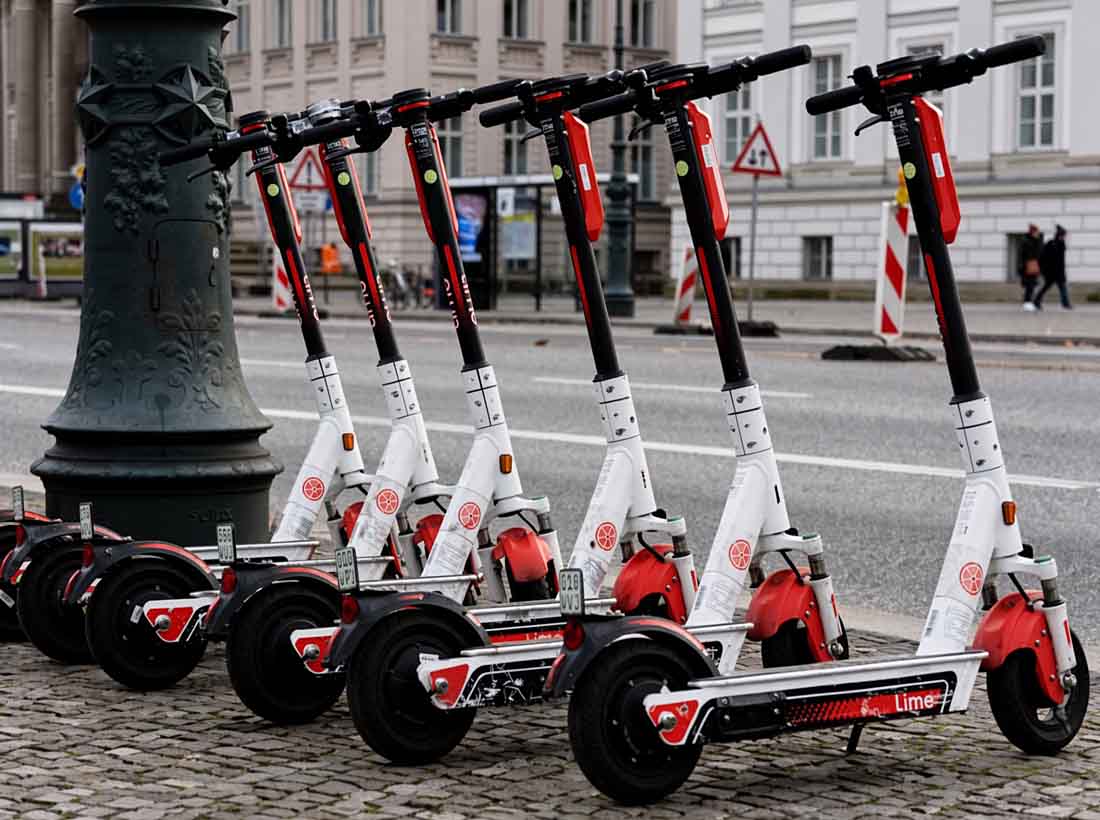
Belgium’s Interior Minister Bernard Quintin on Wednesday urged mandatory license plates for electric scooters as part of a push to curb drug-related violence in Brussels.
Speaking to the Interior Affairs Committee, Quintin said e-scooters had been used in two of the three incidents recorded over the previous 36 hours, according to Dutch-language public broadcaster VRT.
“The scooters are frequently involved in drug-related violence, and a mandatory license plate could make a major difference in the fight against drug crime,” Quintin said.
“Because those scooters do not have license plates, they are virtually impossible to trace after the incidents,” he added.
Quintin described the lack of identifiable registration on electric scooters as “a clear gap in our safety policy” and said introducing mandatory license plates could assist authorities in investigating drug-related crimes.
The minister also said he was examining whether additional military personnel could be deployed to support efforts against drug violence in Brussels.
Currently, 45 soldiers are conducting patrols alongside police officers around Brussels’ train and metro stations, he said.
The number of troops deployed could be increased, according to Quintin.
Brussels has experienced a series of shootings in recent months amid escalating violence linked to rival drug networks, prompting increased security measures and calls for stronger action against organized crime.
__________________________________________________________________________

https://whatsapp.com/channel/0029VaAtNxX8fewmiFmN7N22
__________________________________________________________________________
Belgium has become a major European gateway for cocaine trafficking, largely because of the Port of Antwerp, one of Europe’s biggest container ports. Large shipments arriving from Latin America are often concealed in commercial cargo before being distributed across Belgium and other European countries.
The drug trade has increasingly fuelled organised crime, violence and corruption. Rival criminal networks compete over shipments and distribution, while traffickers may recruit people to remove drugs from containers and attempt to infiltrate legitimate businesses and port operations.
Belgian authorities say the problem remains significant. In 2025, Antwerp police arrested 207 people in drug-related cases in the port area, including 191 suspected “extractors” involved in removing drugs from containers. Federal investigators also opened 160 cases linked to organised cocaine trafficking through the port.
The consequences extend beyond drug trafficking itself, contributing to money laundering, intimidation, shootings and other forms of organised crime. Belgian officials have warned that criminal groups are also exploiting short-term rentals, encrypted communications and e-commerce to support their operations.
SOURCE: INDEPENDENT PRESS AND NEWS AGENCIES
__________________________________________________________________________
FOLLOW INDEPENDENT PRESS:
WhatsApp CHANNEL
https://whatsapp.com/channel/0029VaAtNxX8fewmiFmN7N22

TWITTER (CLICK HERE)
https://twitter.com/IpIndependent

FACEBOOK (CLICK HERE)
https://web.facebook.com/ipindependent

YOUTUBE (CLICK HERE)
https://www.youtube.com/@ipindependent

Think your friends would be interested? Share this story!