Wed 14 October 2026:
WHO Reports Sharp Rise in Suspected Infections Over Three Weeks
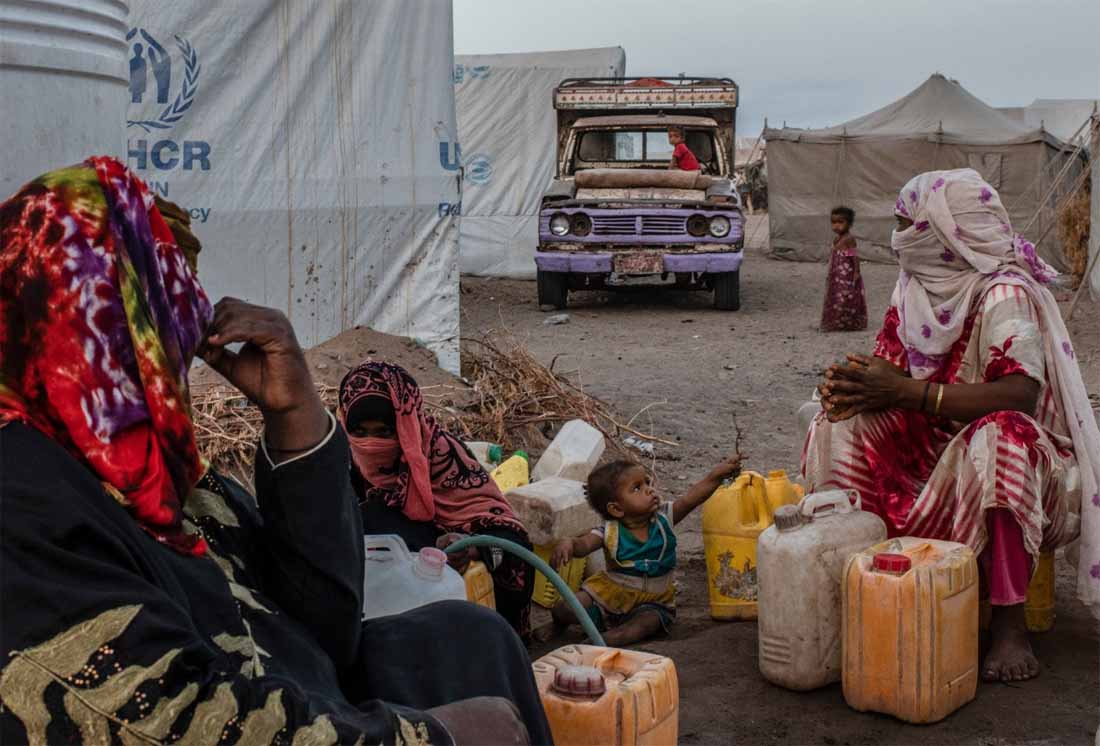
Suspected cholera cases in Yemen have risen sharply, tripling in recent weeks according to the World Health Organization, as civilians flee renewed fighting and settle in overcrowded, unsanitary camps.
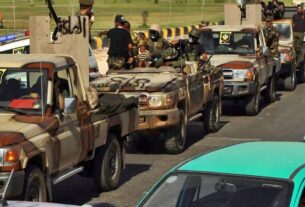
The WHO reported that ramped-up combat, which has forced more than 200,000 people from their homes, pushed suspected cases from 217 in the week of September 6-12 to 647 in the week of September 27 to October 3.
“Families fleeing conflict are now facing another threat from diseases that can be prevented and treated,” said Annette Heinzelmann, the UN agency’s emergency director for the region.
“Without urgent funding and unimpeded access to safe water, vaccination and essential health services, outbreaks could spread rapidly among already vulnerable communities.”
__________________________________________________________________________

https://whatsapp.com/channel/0029VaAtNxX8fewmiFmN7N22
__________________________________________________________________________
Cases Concentrated Among Displaced Populations
Yemen has recorded 8,034 suspected cases and 27 deaths so far this year, with a quarter of the suspected cases emerging in the last four weeks, the WHO said. Five southwestern governorates hosting large numbers of displaced people — Abyan, Lahij, al-Dhalea, Taiz and Aden — account for 92 percent of reported cases. The disease has also appeared in remote displacement camps in Hadramout in the east, areas that are especially hard for medical teams to reach.
Funding Shortfall Threatens Response
Cholera has fluctuated for years amid Yemen’s ongoing conflict. In 2024, the WHO warned that the country faced the “highest burden” of a global cholera outbreak. In 2017, a wave of the disease infected hundreds of thousands and killed at least 2,000 people.
The country was already enduring one of the “world’s worst humanitarian crises” and has experienced a worsening of food insecurity and disease since fighting reignited between the Houthis and the government in July, ending four years of fragile calm.
Cholera is an acute intestinal infection spread through food and water contaminated with the bacterium Vibrio cholerae, frequently from faeces. It produces severe diarrhoea, vomiting and muscle cramps. Without treatment using oral rehydration or antibiotics in more severe cases, the illness can be fatal.
The Geneva-based WHO said it has secured only $3.78 million of the $31 million required for its 90-day emergency response in Yemen. The funds are meant to expand disease surveillance in displacement sites, deploy rapid response teams, strengthen cholera treatment and improve infection prevention in health facilities and treatment centres.
SOURCE: INDEPENDENT PRESS AND NEWS AGENCIES
__________________________________________________________________________
FOLLOW INDEPENDENT PRESS:
WhatsApp CHANNEL
https://whatsapp.com/channel/0029VaAtNxX8fewmiFmN7N22

TWITTER (CLICK HERE)
https://twitter.com/IpIndependent

FACEBOOK (CLICK HERE)
https://web.facebook.com/ipindependent

YOUTUBE (CLICK HERE)
https://www.youtube.com/@ipindependent

Think your friends would be interested? Share this story!