Fri 16 October 2026:
Levy of up to 32 cents per liter aimed at cutting sugar and raising revenue
Germany’s governing coalition has reached agreement on a tax targeting sugar-sweetened beverages, set to take effect on July 1, 2027, after resolving internal differences that had postponed the measure, the Finance Ministry confirmed.
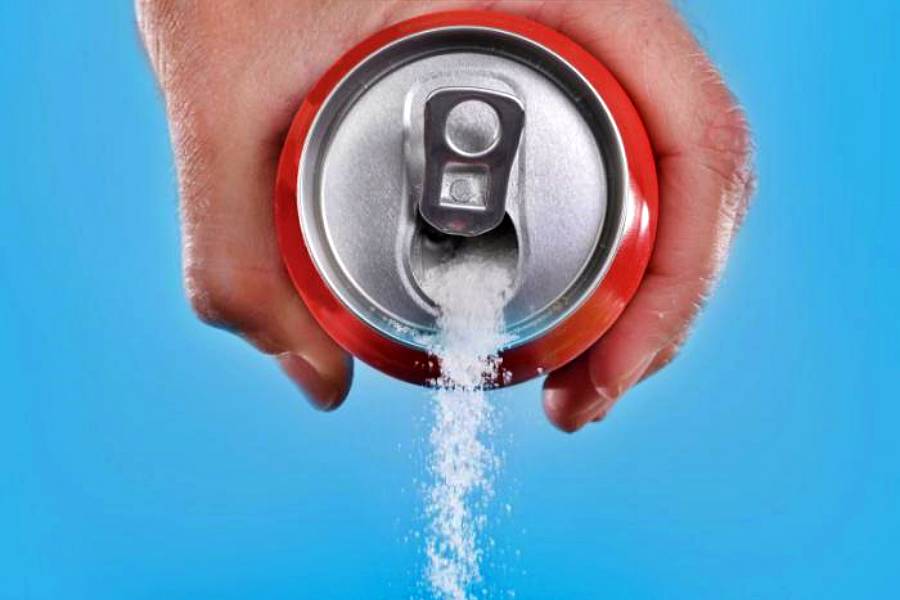
Drinks containing at least 5 grams of sugar per 100 milliliters will be subject to a charge of 26 cents per liter, increasing to 32 cents per liter for products with 8 grams or more, according to a draft obtained by the German media outlet RND. The Cabinet is expected to approve the plan on Wednesday.
__________________________________________________________________________

https://whatsapp.com/channel/0029VaAtNxX8fewmiFmN7N22
__________________________________________________________________________
Political hurdles and budget goals
Finance Minister Lars Klingbeil of the center-left SPD seeks both additional revenue for the federal budget and an incentive for manufacturers to lower sugar levels and market healthier alternatives. Officials estimate the tax will bring in roughly €690 million ($773 million) in 2027 and €925 million ($1.04 billion) in 2028.
The Chancellery had blocked Klingbeil’s earlier version of the proposal at the beginning of the month, public broadcaster ARD reported. Chancellor Friedrich Merz faced resistance from within his conservative CDU party, as several state-level officials contended that the levy represented excessive state intervention and would place unnecessary costs on consumers.
High sugar intake and health risks
The decision comes against the backdrop of Germans consuming substantially more sugar than the World Health Organization recommends. The WHO advises people of a healthy weight to restrict sugar intake to no more than 50 grams a day, and preferably less than 25 grams—about six teaspoons. Men in Germany average 78 grams daily and women 61 grams; when additional sources are counted, intake can reach 100 grams.
Excessive sugar consumption, particularly from sweetened beverages, is linked to a range of health problems. Regular high intake contributes to weight gain and obesity, raises the risk of type 2 diabetes and cardiovascular disease, and promotes tooth decay. Public health authorities note that free sugars provide “empty” calories that can displace more nutritious foods, and reducing them is widely viewed as a practical step toward lowering rates of these non-communicable diseases.
SOURCE: INDEPENDENT PRESS AND NEWS AGENCIES
__________________________________________________________________________
FOLLOW INDEPENDENT PRESS:
WhatsApp CHANNEL
https://whatsapp.com/channel/0029VaAtNxX8fewmiFmN7N22

TWITTER (CLICK HERE)
https://twitter.com/IpIndependent

FACEBOOK (CLICK HERE)
https://web.facebook.com/ipindependent

YOUTUBE (CLICK HERE)
https://www.youtube.com/@ipindependent

Think your friends would be interested? Share this story!