Sat 22 August 2026:
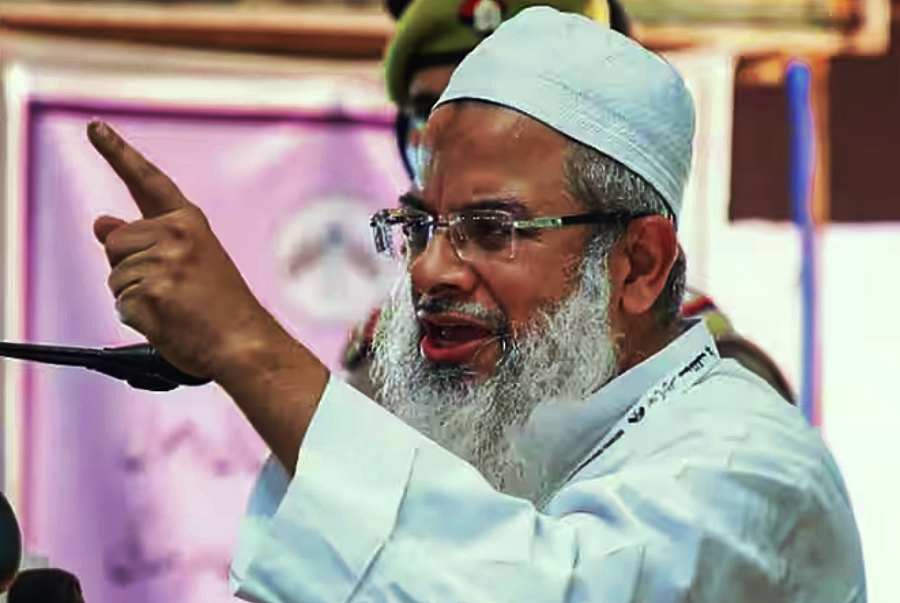
In a statement, Jamiat Ulama-e-Hind president Maulana Mahmood Asad Madani said India’s strength lies in its religious and cultural diversity, asserting that “if a citizen cannot freely choose their religion, Article 25 of the Constitution becomes meaningless.”
धार्मिक स्वतंत्रता के नाम पर महाराष्ट्र का कानून स्वयं धार्मिक आजादी का दुश्मन
– *अदालतों को कानूनी ढांचे, इसके पीछे छिपी बहुसंख्यकवादी सोच से प्रेरित उद्देश्यों और इसके दुरुपयोग की जल्द समीक्षा की जानी चाहिए: मौलाना महमूद असद मदनी*
नई दिल्ली, 21 अगस्त: जमीअत उलमा-ए-हिंद के… pic.twitter.com/HB7gvYtEkr— Jamiat Ulama-i-Hind (@JamiatUlama_in) August 21, 2026
He said Maharashtra had adopted a model similar to anti-conversion laws in Uttar Pradesh, Gujarat and Madhya Pradesh, which Jamiat has challenged in the Supreme Court. According to Madani, vague terms such as “allurement” and “fraudulent” conversions could bring even peaceful religious propagation within the scope of criminal law.
He also criticised provisions that could treat teachings about reward in the hereafter and salvation as “allurement”, saying they could undermine the constitutional right to propagate religion.
INDIA: FIR AGAINST 9 MUSLIMS AFTER 100 TRIBALS EMBRACE ISLAM IN GUJARAT
Madani said experience with such laws had shown that they could lead to the imprisonment of large numbers of people and argued that “the state cannot acquire this constitutional right to become the guardian and arbiter of any citizen’s private conscience and religious choice.”
Referring to concerns previously raised by the Supreme Court over mandatory declarations before conversion, police inquiries and disclosure of personal information, Madani said such requirements placed “an unnecessary and unreasonable burden” on individual freedom.
He urged courts and democratic institutions to examine not only the stated objectives of anti-conversion laws but also “their legal framework, the objectives inspired by the majoritarian mindset hidden behind them, and their misuse.”
__________________________________________________________________________

https://whatsapp.com/channel/0029VaAtNxX8fewmiFmN7N22
__________________________________________________________________________
Madani clarified that Jamiat Ulama-e-Hind was not opposed to genuine measures against forced, fraudulent or coerced conversions, but said that “no law made in the name of protecting religious freedom can itself become a means to restrict that very freedom.” He also warned against turning such laws into “a weapon of punishment against any particular community.”
The Maharashtra Home Department has notified that the Maharashtra Freedom of Religion Act, 2026 will come into force on August 28.
The law criminalises religious conversion allegedly carried out through coercion, fraud, force, threats, misrepresentation, inducement or undue influence, and also covers conversions linked to marriage or promises of marriage.
The legislation places the burden of proving that a conversion was voluntary on the person facilitating it. It also prescribes stricter punishments when the alleged conversion involves a minor, woman, member of a Scheduled Caste or Scheduled Tribe, or a person of unsound mind.
The Maharashtra Legislature passed the law earlier this year, after which it received the President’s assent and was notified by the state government on July 31.
Earlier, Samajwadi Party leader S.T. Hasan criticised the proposed law, saying that while voluntary conversion is legally permitted, conversions through coercion or inducement are wrong and should be cancelled.
He said people should be free to choose their religion, but warned that the law “will only further damage communal harmony.”
Congress leader Husain Dalwai questioned the need for such restrictions, saying, “People can convert if they want to,” and argued that the government should not “bind the new generation in the name of religion.”
Congress leader Surendra Rajput called for “wider consultation” before the law is implemented.
Anti-conversion laws in India are state-level legislations designed to regulate religious conversions claimed to be-forced, fraudulent, or induced by allurement or marriage. Over a dozen states enforce these rules, facing severe criticism from human rights groups over their impact on religious minorities.
Civil rights groups and international monitors report that these statutes are disproportionately utilized against religious minorities, particularly Christians and Muslims, often stoking social polarization and vigilance.
Enforced in more than 10 states, including Uttar Pradesh, Madhya Pradesh, Gujarat, Uttarakhand, Himachal Pradesh, Karnataka, Haryana, Chhattisgarh, Rajasthan, and Maharashtra.
Penalties typically range from fines and 3 to 10 years of imprisonment, with stricter terms for converting minors, women from marginalized communities, or repeat offenses.
Human rights watchdogs report that the broad definitions within these statutes are frequently used by local authorities and Hindu right-wing groups to harass or file charges against Christians and Muslims, particularly during routine prayer gatherings or interfaith marriages.
SOURCE: INDEPENDENT PRESS AND NEWS AGENCIES
__________________________________________________________________________
FOLLOW INDEPENDENT PRESS:
WhatsApp CHANNEL
https://whatsapp.com/channel/0029VaAtNxX8fewmiFmN7N22

TWITTER (CLICK HERE)
https://twitter.com/IpIndependent

FACEBOOK (CLICK HERE)
https://web.facebook.com/ipindependent

YOUTUBE (CLICK HERE)
https://www.youtube.com/@ipindependent

Think your friends would be interested? Share this story!