Sat 06 June 2026:
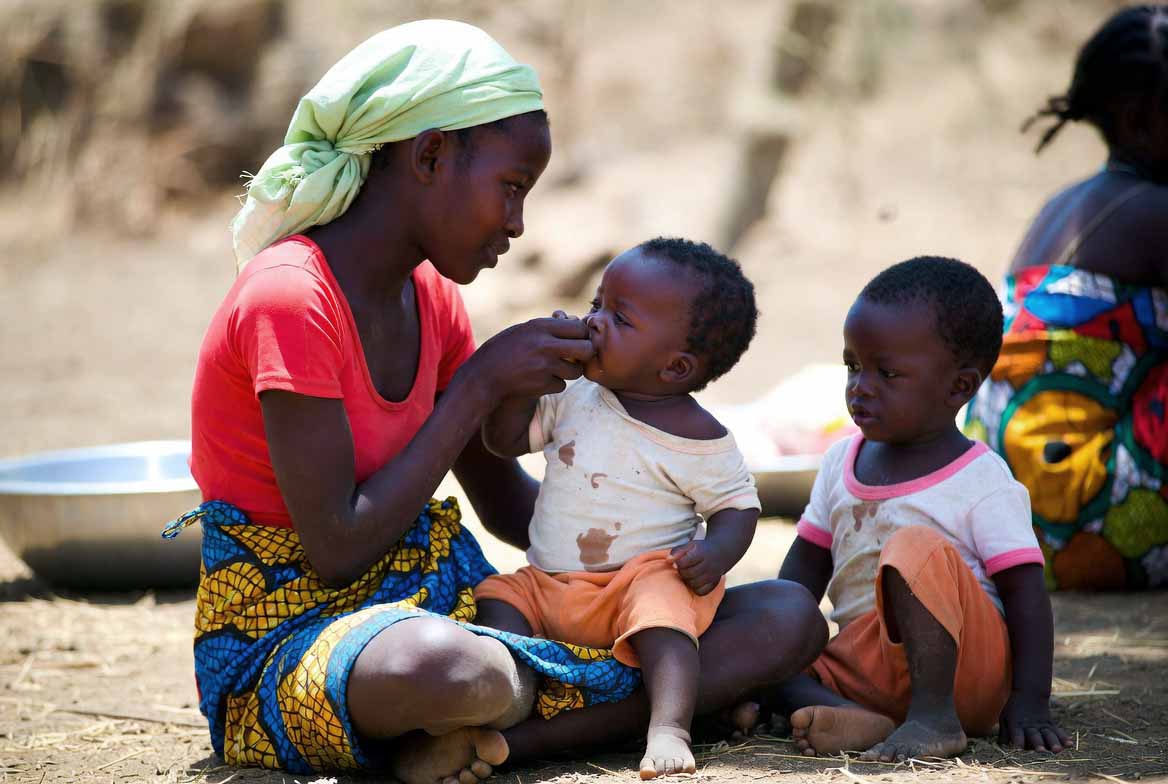
According to the World Health Organization (WHO), unsafe food is responsible for an estimated 866 million illnesses and 1.5 million deaths globally each year. Children under the age of five face nearly three times the risk of contracting foodborne diseases compared to older children and adults.
The estimates released by the agency found that young children, despite accounting for only 9% of the global population, suffer nearly one-third of all foodborne disease cases.
WHO warned that diarrhoeal diseases linked to unsafe food remain particularly deadly for children, while exposure to chemical contaminants such as lead, methylmercury and arsenic can cause lifelong neurological and developmental harm.
According to the study, biological hazards including bacteria, viruses and parasites caused around 860 million foodborne illnesses in 2021. However, chemical contaminants accounted for a disproportionate share of deaths, with WHO estimating that 73% of fatalities linked to unsafe food were caused by chemical hazards. Inorganic arsenic and lead alone were responsible for the majority of these deaths due to their links with heart disease and cancers.
__________________________________________________________________________

https://whatsapp.com/channel/0029VaAtNxX8fewmiFmN7N22
__________________________________________________________________________
“Food safety is not an abstract issue, it touches every meal, every family, every day. Unsafe food has always been a major public health concern, but until now we lacked the bigger picture of its staggering human and economic toll,” WHO Director-General Tedros Adhanom Ghebreyesus said.
Beyond its health impact, unsafe food also imposes a significant economic burden. WHO estimated that foodborne diseases led to around US$310 billion in lost productivity in 2021, a figure that rises to US$647 billion when adjusted for cost-of-living differences across countries.
The report noted that although the overall burden of foodborne diseases has declined since 2000, stark regional inequalities remain. Africa and South-East Asia together account for nearly three-quarters of all foodborne illnesses and 60% of food-related deaths worldwide.
Calling the findings a “wake-up call”, WHO technical officer and senior author Yuki Minato said foodborne diseases are being worsened by climate change and antimicrobial resistance.
“The data show that foodborne diseases are not only persistent but are being made worse by climate change, which increases contamination risks, and by antimicrobial resistance, which makes infections harder to treat,” Minato said.
The agency urged governments to strengthen food safety systems, improve surveillance, prevent contamination at its source and adopt a “One Health” approach that integrates human, animal, plant and environmental health.
The findings were released ahead of World Food Safety Day on June 7, whose 2026 theme is “From burden to solutions, safe food everywhere.”
SOURCE: INDEPENDENT PRESS AND NEWS AGENCIES
__________________________________________________________________________
FOLLOW INDEPENDENT PRESS:
WhatsApp CHANNEL
https://whatsapp.com/channel/0029VaAtNxX8fewmiFmN7N22

TWITTER (CLICK HERE)
https://twitter.com/IpIndependent

FACEBOOK (CLICK HERE)
https://web.facebook.com/ipindependent

YOUTUBE (CLICK HERE)
https://www.youtube.com/@ipindependent

Think your friends would be interested? Share this story!