Fri 17 July 2026:
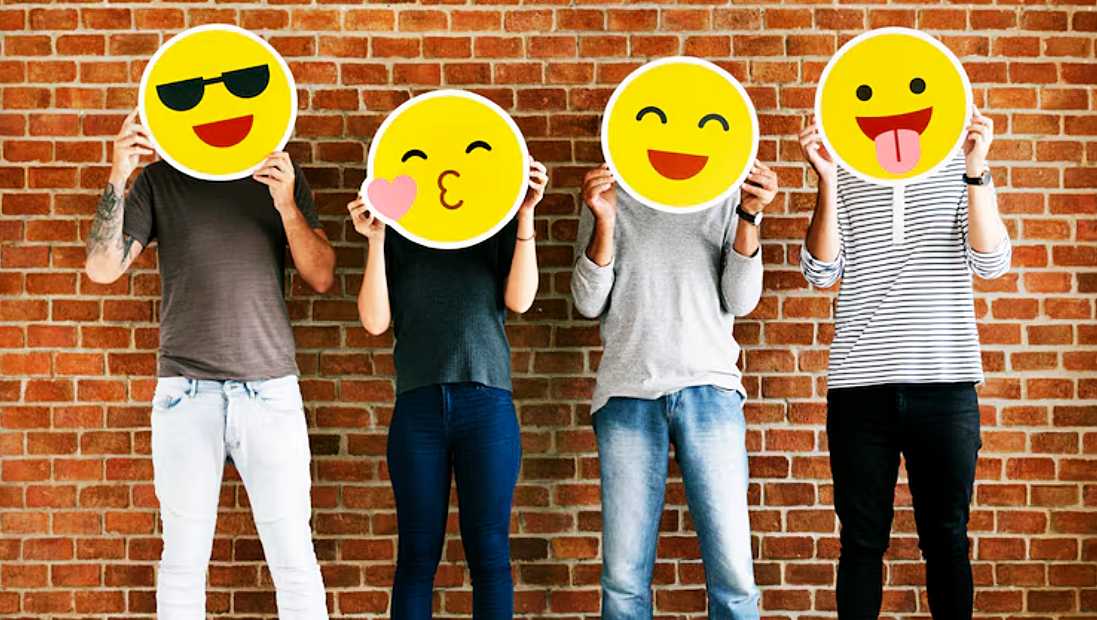
Whether it’s a heart, a thumbs-up or the now ubiquitous crying-laughing face, emojis have become one of the world’s most widely understood forms of digital expression.
Today, people around the globe are expected to mark World Emoji Day by filling social media feeds with their favorite symbols, voting for the year’s most popular new emoji and joining conversations celebrating what has become a global visual language.
Technology companies, brands and online platforms also traditionally use the occasion to launch emoji-themed campaigns or highlight new additions to digital keyboards.
This year’s celebration coincides with the final stages of the FIFA World Cup, prompting WhatsApp to temporarily redesign its soccer ball emoji through a partnership with Adidas.

How did World Emoji Day begin?
World Emoji Day falls on July 17 because Apple’s calendar emoji long displayed that date, commemorating the 2002 launch of the company’s iCal application. Emojipedia founder Jeremy Burge adopted it when creating the annual celebration in 2014.
Since then, the once niche observance has grown into an international event embraced by technology companies, social media users and the Unicode Consortium, the nonprofit organization that standardizes emojis across digital platforms.
The story of emojis themselves began earlier.
Japanese designer Shigetaka Kurita created the first widely recognized emoji set in 1999 for NTT Docomo’s i-mode mobile internet service, producing 176 simple 12 X 12-pixel icons inspired by weather symbols, street signs and Japanese manga.
Earlier text-based emoticons, including computer scientist Scott Fahlman’s 1982 “:-)” smiley face, laid the groundwork for expressing emotion online.
Google proposed bringing emojis into the Unicode Standard in 2007, paving the way for consistent use across platforms, while Apple’s introduction of an emoji keyboard in 2011 helped popularize them globally.
Today, the Unicode Standard contains more than 3,950 emojis, with new additions approved each year.
Emojis have also entered popular culture. Sony Pictures’ 2017 animated film The Emoji Movie, following a multi-expression emoji named Gene, was widely criticized by reviewers but grossed more than $217 million worldwide.
From tiny icons to a global language
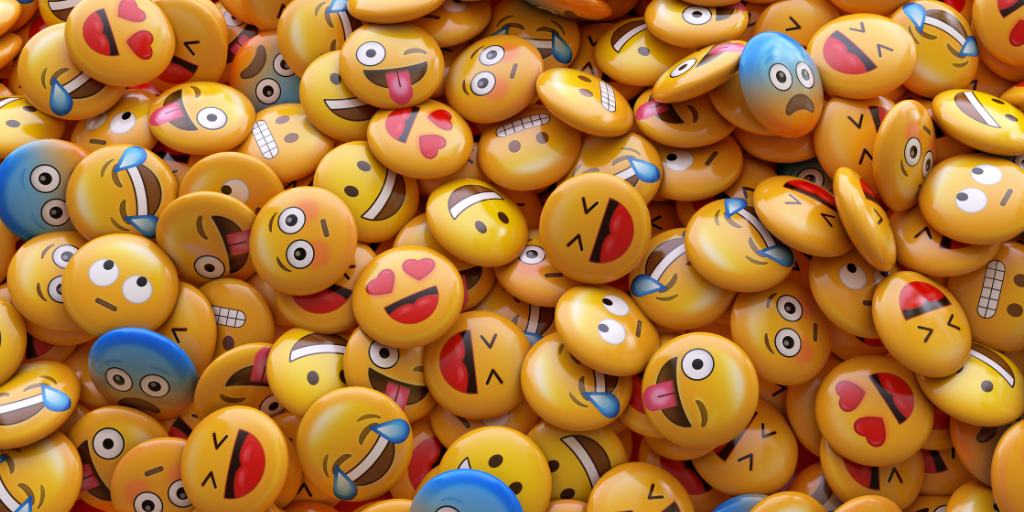
Billions of emojis are sent every day, making them one of the world’s most common forms of digital communication.
The word “emoji” comes from Japanese, combining “e” (picture) and “moji” (character), although it is unrelated to the English word “emotion.”
Ahead of this year’s celebration, Emojipedia named Distorted Face the Most Popular New Emoji of 2026.
Despite hundreds of new additions over the years, familiar faces continue to dominate global conversations. The Face with Tears of Joy remains the world’s most-used emoji, followed by the Loudly Crying Face and the Red Heart.
__________________________________________________________________________

https://whatsapp.com/channel/0029VaAtNxX8fewmiFmN7N22
__________________________________________________________________________
Criticism and challenges
Emoji have also drawn sustained criticism over race, culture and politics.
Early emoji sets were overwhelmingly light-skinned by default, and researchers have argued the Unicode Consortium’s original “monotone” design simply failed to reckon with how political a picture can be.
Apple and Unicode introduced skin-tone modifiers in 2015 to address that gap.
The weaponization of emojis for racism, xenophobia and hate speech remains an unresolved dark side of the medium. Because automated content moderation algorithms are primarily built to detect text, abusive users routinely exploit emojis as loopholes to bypass digital safety filters.

This intersection of digital communication and the law has also created new legal questions.
A legal analysis published in May in the Transatlantic Law Journal, titled A Thumbs Up for Emojis in Contracting and Legal Communication, documented a growing number of lawsuits in which courts have had to interpret emojis.
Judges have increasingly been asked to determine whether a single symbol can constitute a legally binding electronic signature, signal contractual acceptance or amount to harassment.
-Source: AA
__________________________________________________________________________
FOLLOW INDEPENDENT PRESS:
WhatsApp CHANNEL
https://whatsapp.com/channel/0029VaAtNxX8fewmiFmN7N22

TWITTER (CLICK HERE)
https://twitter.com/IpIndependent

FACEBOOK (CLICK HERE)
https://web.facebook.com/ipindependent

YOUTUBE (CLICK HERE)
https://www.youtube.com/@ipindependent

Think your friends would be interested? Share this story!