Fri 09 October 2026:
World’s largest chinstrap colony loses more than 680,000 breeding penguins since 2011
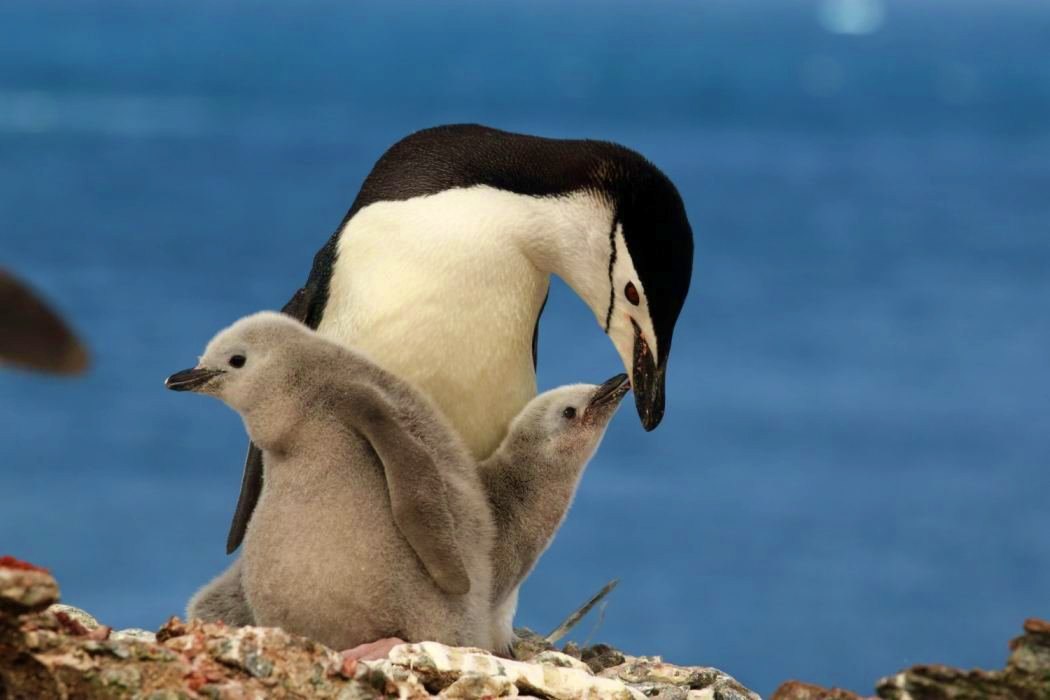
A remote Antarctic island that once hosted the world’s largest known colony of chinstrap penguins has lost nearly two-thirds of its breeding population in just 14 years, according to a new study.
Researchers led by the British Antarctic Survey (BAS) found that the chinstrap penguin population on Zavodovski Island, part of the South Sandwich Islands, fell by 63% between 2011 and 2025.
The colony’s estimated number of breeding penguins dropped from about 1.09 million in 2011 to roughly 402,000 in 2025 — a decline of more than 680,000 birds.
__________________________________________________________________________

https://whatsapp.com/channel/0029VaAtNxX8fewmiFmN7N22
__________________________________________________________________________
Climate-driven changes disrupt food supply
The researchers used a combination of drone surveys, aerial photographs, satellite observations and tracking devices attached to penguins to monitor the colony and investigate the causes of the decline.
Their findings point to climate-driven changes in the Southern Ocean as a major factor. Changes in ocean conditions are affecting the availability and distribution of Antarctic krill, a small crustacean that forms the main component of the chinstrap penguin’s diet.
The penguins appear to depend heavily on access to colder waters where krill are more abundant.
“Our tracking data shows they prefer to forage in cooler waters to the northwest of the island, where they would expect to find Antarctic krill-the prey that make up the bulk of their diet,” said Norman Ratcliffe, a penguin ecologist at BAS who led the research.
Scientists warn of wider impact
The dramatic population decline on Zavodovski Island has raised concerns about the future of chinstrap penguins across the wider South Sandwich Islands, which support a substantial proportion of the species’ global population.
Researchers say the speed and scale of the decline are particularly concerning because changes in the availability of food can have a direct impact on penguin survival and breeding success.
The findings also raise questions about whether the chinstrap penguin’s current conservation classification remains appropriate. The species is presently listed as “Least Concern” by the International Union for Conservation of Nature (IUCN).
Scientists say the new evidence could strengthen the case for reassessing that status as climate change continues to alter Antarctic marine ecosystems.
A warning for Antarctica’s changing ecosystem
The decline on Zavodovski Island highlights how changes in the Southern Ocean can affect wildlife far beyond shifts in temperature alone. For penguins, changes in sea conditions and the distribution of krill can translate into reduced access to food, potentially affecting entire breeding colonies.
The researchers’ findings therefore provide another warning that climate-driven changes in Antarctica are increasingly reshaping the delicate food chains on which marine species depend.
SOURCE: INDEPENDENT PRESS AND NEWS AGENCIES
__________________________________________________________________________
FOLLOW INDEPENDENT PRESS:
WhatsApp CHANNEL
https://whatsapp.com/channel/0029VaAtNxX8fewmiFmN7N22

TWITTER (CLICK HERE)
https://twitter.com/IpIndependent

FACEBOOK (CLICK HERE)
https://web.facebook.com/ipindependent

YOUTUBE (CLICK HERE)
https://www.youtube.com/@ipindependent

Think your friends would be interested? Share this story!