Fri 04 September 2026:
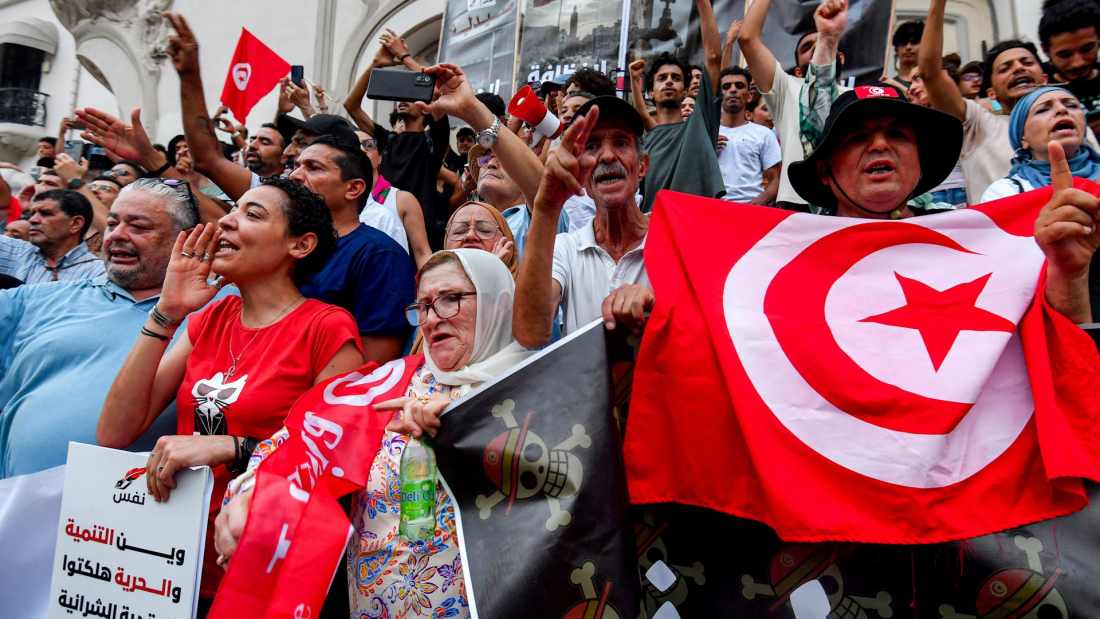
Tunisia’s Court of Cassation has rejected the final appeals of dozens of opposition figures, upholding prison sentences of up to 45 years for those accused of conspiring to overthrow President Kais Saied.
The ruling on Thursday brings three years of legal proceedings against 40 people to a close. The defendants include opposition party leaders, lawyers, businessmen and human rights defenders. Half were sentenced in absentia after fleeing the country.
Opposition figures receive lengthy sentences
Among those convicted was Said Ferjani, a senior official and former lawmaker from Ennahda, the party that led Tunisia’s first government after the fall of President Zine El Abidine Ben Ali during the Arab Spring. Ferjani’s original 13-year sentence was reduced to 10 years on appeal.
Other opposition figures sentenced on Thursday included:
-
Najib Chebbi, leader of the National Salvation Front opposition coalition — 12 years.
-
Ghazi Chaouachi, Issam Chebbi, Jawhar Ben Mbarek and Ridha Belhaj — 20 years each.
-
Noureddine Bhiri — 10 years.
Ennahda founder and leader Rached Ghannouchi was jailed in 2025 and sentenced to 14 years in prison in June. Rights groups and opposition activists have described his punishment, along with the wider crackdown, as politically motivated.
__________________________________________________________________________

https://whatsapp.com/channel/0029VaAtNxX8fewmiFmN7N22
__________________________________________________________________________
Lawyers accuse judiciary of political interference
Haifa Chebbi, a lawyer and daughter of Najib Chebbi, said the ruling demonstrated that Tunisia’s judiciary was not independent.
“The ruling confirms that the judiciary is not independent,” she said, accusing the case of being designed to imprison opposition figures who had been “silenced”. “Opponents entered prison by political decision and will leave when Saied falls.”
Lawyers also said they were notified of Thursday’s hearing on Monday, leaving insufficient time to prepare a defence.
Dalila Msaddek, whose brother Jawhar Ben Mbarek was among those convicted, wrote on Facebook that, “the legal battle is now over … what begins is a purely political battle”.
Tunisia’s democratic decline
The case is widely viewed as a symbol of Tunisia’s democratic backsliding since Saied was elected in 2019. He has ruled largely by decree, dissolved the independent Supreme Judicial Council and dismissed dozens of judges.
Saied’s government has rejected accusations of political persecution. Tunisia’s justice minister has said the defendants sought to destabilise the country.
Following their arrests in 2023, Saied described the accused as “traitors and terrorists” and warned that judges who acquitted them would be treated as accomplices.
The court’s decision leaves Tunisia’s opposition facing lengthy prison terms, while critics say the ruling further weakens the country’s democratic institutions.
SOURCE: INDEPENDENT PRESS AND NEWS AGENCIES
__________________________________________________________________________
FOLLOW INDEPENDENT PRESS:
WhatsApp CHANNEL
https://whatsapp.com/channel/0029VaAtNxX8fewmiFmN7N22

TWITTER (CLICK HERE)
https://twitter.com/IpIndependent

FACEBOOK (CLICK HERE)
https://web.facebook.com/ipindependent

YOUTUBE (CLICK HERE)
https://www.youtube.com/@ipindependent

Think your friends would be interested? Share this story!